
Biotin and Hair Growth: Best Supplements Guide 2025

Have you noticed the buzz around a certain vitamin for stronger, fuller locks? This guide explores the popular connection between this nutrient and improved scalp health. We’ll help you understand if it truly delivers on its promises.
You will discover what this essential vitamin is and how it functions within your body. It has become a star ingredient in countless products found everywhere from pharmacies to major retailers.
We separate scientific evidence from bold marketing claims. This allows you to make smart choices about your wellness routine. You’ll get practical advice on selecting the right products and proper dosage.
Learn who might see real benefits from adding this to their regimen. Our 2025 guide includes expert insights and research to support your journey to healthier strands.
Table of Contents
Understanding Biotin and Its Role in Hair Health
Understanding how this vitamin functions within your system reveals why it’s so important for follicle health. This water-soluble nutrient, part of the B-complex family, serves as a crucial coenzyme in metabolic processes.
Biotin’s Function in Energy and Keratin Production
Your body relies on this essential nutrient to convert food into usable energy. It helps transform carbohydrates, fats, and proteins into fuel that powers cellular activities.
The most significant role for your strands involves keratin production. This structural protein forms the foundation of each shaft. Adequate levels support strong, resilient structures that resist damage.
How Biotin Contributes to Hair Strength
This vitamin works at the cellular level to regulate signals and manage gene activity. These processes maintain the continuous growth cycle of your tresses.
When your system has sufficient amounts, it efficiently produces thicker, more resistant shafts. The result is reduced breakage and increased durability against environmental stressors.
Understanding this biochemical foundation helps explain why deficiency can lead to visible problems. Proper levels ensure your follicles receive the support needed for optimal wellness.
What is Biotin?
The form in which you consume this essential vitamin significantly impacts its effectiveness for your wellness goals. This B-complex nutrient serves vital functions throughout your body.
You’ll typically encounter this vitamin in two main delivery methods. Each approach offers distinct advantages for different needs.
Supplement vs. Topical Applications
Oral supplements provide nearly complete absorption when taken internally. Your digestive system efficiently processes these formulations.
Topical products applied directly to your skin offer different benefits. These applications work primarily on the surface level.
| Feature | Oral Supplements | Topical Products |
|---|---|---|
| Absorption Rate | Nearly 100% | Surface-level only |
| Primary Benefit | Addresses deficiencies | Improves scalp hydration |
| Follicle Penetration | Systemic delivery | Minimal penetration |
| Best For | Correcting deficiencies | Cosmetic improvements |
Manufacturers often include this vitamin in various hair care items. However, dermatologists note limited deep penetration from topical applications.
Conditioning agents in these formulations can create temporary cosmetic benefits. They make strands appear thicker and fuller.
Understanding these differences helps you set realistic expectations. Choose based on your specific wellness objectives.
How biotin and hair growth Work Together
Scientific research reveals specific conditions where vitamin supplementation makes a real difference. The effectiveness depends entirely on your body’s nutritional status.
Impact on Hair Thickness and Volume
A 2012 clinical study showed promising results. Women with thinning strands took a multi-ingredient supplement for six months.
They reported visible improvements in volume and scalp coverage. However, the formula contained zinc and iron alongside the key vitamin.
This makes it impossible to attribute results solely to one nutrient. The combination likely addressed multiple potential deficiencies.
Addressing Hair Loss Related to Deficiency
Research indicates this approach only works when there’s an actual nutritional gap. One study found 38% of women with hair loss had this specific deficiency.
For these individuals, supplementation can restore normal growth patterns. It corrects the underlying problem causing the thinning.
If your levels are already adequate, you won’t see additional benefits. Your body efficiently uses what it needs for keratin production.
The best approach involves identifying the root cause of your concerns. This ensures you target the actual issue rather than assuming one solution fits all.
Benefits of Biotin for Overall Health
While often sought for its cosmetic effects, this vitamin’s influence extends deep into your body’s core systems. Its role as a coenzyme is vital for numerous metabolic processes.
Maintaining sufficient levels supports wellness far beyond a single area.
Nail and Skin Health Advantages
Clinical studies show this nutrient can significantly improve nail integrity. It may help with specific conditions causing rough, brittle nails.
Your skin also relies on adequate levels for cellular health. Deficiency can lead to visible rashes, which proper intake may prevent.
Additional Systemic Benefits
This vitamin plays a key role in glucose metabolism. For some individuals, it may aid in blood sugar regulation.
Emerging research points to benefits for nerve health. This includes potential support for peripheral neuropathy and progressive neurological conditions.
It is also crucial during pregnancy for fetal development. Furthermore, it contributes to cardiovascular wellness by supporting lipid metabolism.
| Body System | Potential Benefit | Supporting Evidence |
|---|---|---|
| Integumentary (Skin & Nails) | Improves strength, prevents deficiency rashes | Clinical trials on nail conditions |
| Metabolic | May aid glucose conversion, regulate blood sugar | Research in type 2 diabetes |
| Neurological | Supports nerve function, may reduce damage | Studies on MS and neuropathy |
| Cardiovascular | May help manage LDL cholesterol levels | Preliminary research findings |
These wide-ranging benefits demonstrate how this nutrient supports your entire body.
Choosing Quality Biotin Supplements
Third-party verification is your best tool for navigating the unregulated world of dietary supplements. The FDA does not approve these products for safety or effectiveness before they are sold.
This means some items might not contain the promised ingredients. They could also include harmful contaminants.
Identifying Reliable and Tested Products
You should prioritize items with seals from independent testing organizations. These groups verify label claims and manufacturing quality.
Look for certifications from NSF International, U.S. Pharmacopeia (USP), or ConsumerLab.com. This provides assurance about what you are buying.
These products come in many forms like capsules, gummies, and liquids. Choose a format that fits your routine.
| Certifying Organization | Primary Focus | Key Benefit for You |
|---|---|---|
| NSF International | Contaminant screening and ingredient verification | Confirms product is free from harmful substances |
| U.S. Pharmacopeia (USP) | Manufacturing quality and purity standards | Ensures consistent potency and disintegration |
| ConsumerLab.com | Independent testing of finished products | Provides unbiased reviews on label accuracy |
While certified supplements may cost more, they are a smarter investment. You pay for verified quality and safety.
Always consult your doctor or pharmacist before starting any new regimen. They can recommend trusted brands and proper use.
Daily Biotin Needs and Biotin-Rich Foods
Meeting your daily nutritional targets is simpler than you might think. Most Americans already consume enough through their regular diet without needing supplements.
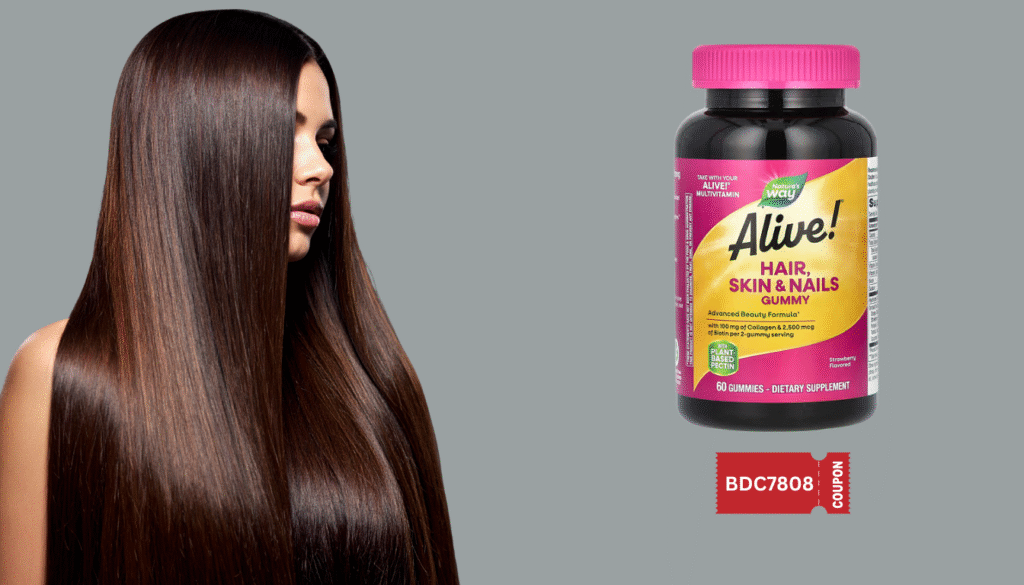
The adequate intake for adults is 30 mcg per day. This increases to 35 mcg during pregnancy and breastfeeding.
Recommended Daily Intake Guidelines
Children require progressively less as they grow younger. Infants need only 5 mcg, while teenagers need 25 mcg.
Since average daily consumption ranges from 35-70 mcg, supplementation is often unnecessary. Focus instead on a balanced eating plan.
Best Food Sources for Optimal Biotin Levels
Cooked beef liver provides the highest concentration at 31 mcg per serving. Whole eggs offer 10 mcg each when cooked properly.
Other excellent sources include salmon, pork chops, and sunflower seeds. Combine these foods to easily meet your requirements through meals.
Plant-based options like sweet potatoes and almonds provide smaller amounts. You may need larger quantities to reach optimal levels.
Who May Be at Risk for a Biotin Deficiency
Certain health situations can increase your vulnerability to nutrient shortages. Understanding these risk factors helps you make informed decisions about supplementation.
Some individuals face higher chances of developing low vitamin levels. These people should pay closer attention to their nutritional status.
Lifestyle and Health Factors to Consider
Chronic alcohol consumption significantly reduces nutrient absorption. This habit can lead to gradual vitamin depletion over time.
Digestive disorders like Crohn’s disease impair natural production. These conditions affect your gut’s ability to maintain proper levels.
Pregnancy increases nutritional demands substantially. Many women experience decreased levels during this critical period.
Specific medications can interfere with vitamin utilization. Antiepileptic drugs and certain antibiotics pose particular risks.
Smoking accelerates nutrient breakdown throughout your body. This habit contributes to faster depletion of essential vitamins.
Individuals receiving IV nutrition without proper supplementation face deficiency dangers. They bypass normal dietary sources entirely.
Research shows 11% of people experiencing thinning had identifiable risk factors. Addressing these underlying issues may help prevent further loss.
Potential Risks and Warnings When Using Biotin
Even generally safe supplements require a clear understanding of potential complications. Knowing the facts protects you from unintended consequences.

This vitamin is water-soluble. Your body typically excretes excess amounts. However, extremely high doses can sometimes lead to side effects like insomnia or increased thirst.
Lab Test Interferences and Safe Dosage Practices
The most significant risk of taking biotin involves interference with laboratory tests. High levels in your blood can skew results for thyroid hormones, vitamin D, and cardiac biomarkers.
Many diagnostic tests use this vitamin’s binding properties. Incorrect readings have led to serious misdiagnoses, including Graves’ disease.
You must inform your healthcare provider about any supplements you are using biotin. They can advise on proper timing for your tests.
Your healthcare provider will likely suggest stopping supplementation a few days before lab work. This simple step ensures accurate results.
If you take certain antiepileptic drugs, discuss biotin with your doctor. These medications can lower your levels, creating a different concern.
The fact that it’s available over-the-counter doesn’t mean it’s without risks. Professional guidance is crucial for safe and effective use.
Tips for Integrating Biotin into Your Hair Care Routine
Creating an effective daily routine is the final step toward achieving your wellness goals. A strategic approach ensures you get the most from your efforts.
Always seek professional advice before starting any new supplement. A healthcare provider or dietitian can determine if you truly need it.
They can check for signs like brittle nails or a skin rash. This helps address the root cause of your concerns.
Expert Recommendations for Supplement Use
Take your daily dose with a meal for better absorption. Consistency is more important than the specific time of day.
Understand that visible changes take time. You may need three to six months of steady use to see a difference.
Track your progress with monthly photos in similar lighting. This helps you notice subtle improvements in thickness.
Combining Biotin with Other Hair Growth Strategies
For the best results, support your scalp health with a multi-faceted treatment plan. Nutritional support works best alongside other healthy habits.
Consider these evidence-based strategies:
- Use topical products with ingredients like rosemary oil to stimulate follicles.
- Manage stress levels and prioritize sleep for overall wellness.
- Eat a balanced diet rich in protein, iron, and zinc.
- Avoid harsh chemical care and excessive heat styling.
This combined approach maximizes your potential for healthier, stronger strands.
Expert Insights and Latest Research on Biotin
Clinical evidence helps separate fact from fiction when it comes to supplement claims and results. Understanding what the latest investigations reveal can guide your decisions about nutritional support.
Clinical Studies and Research Findings
A 2012 clinical study examined women with self-perceived thinning. Participants taking a multi-ingredient supplement reported improved volume after six months.
However, this research cannot attribute results solely to one nutrient. The formula contained zinc and iron, which independently support follicle health.
Another important fact emerged from pediatric research. Children showing improvement after supplementation all had underlying conditions causing deficiency.
This suggests the treatment works primarily when addressing nutritional gaps. For people without deficiency, evidence supporting use remains limited.
In one investigation, 38% of women complaining of loss had measurable shortage. This indicates deficiency affects a substantial minority of individuals.
A separate study followed patients after gastric surgery. Results varied significantly, with some reporting major improvement and others noticing minimal change.
Current research consensus indicates no strong evidence supports using these supplements to promote growth in non-deficient populations. Experts emphasize that thinning has multiple potential causes.
Conclusion
The final takeaway from our exploration is that targeted solutions work better than universal approaches. Scientific evidence does not support using biotin supplements to promote hair growth in individuals with normal nutrient levels.
Supplementation only benefits those with confirmed deficiencies. Multiple factors can cause hair loss, including iron or zinc shortages. A comprehensive treatment plan addresses the root cause.
Consult your healthcare provider before starting any biotin supplement. They can identify if you truly need this vitamin. Professional guidance ensures safe, effective use for your scalp health.
Focus on balanced nutrition and proper hair care practices. This holistic approach supports healthy hair more effectively than relying on single-ingredient solutions alone.