
Cocoa Butter for Skin: 10 Amazing Benefits and Proven Uses for Radiant Skin
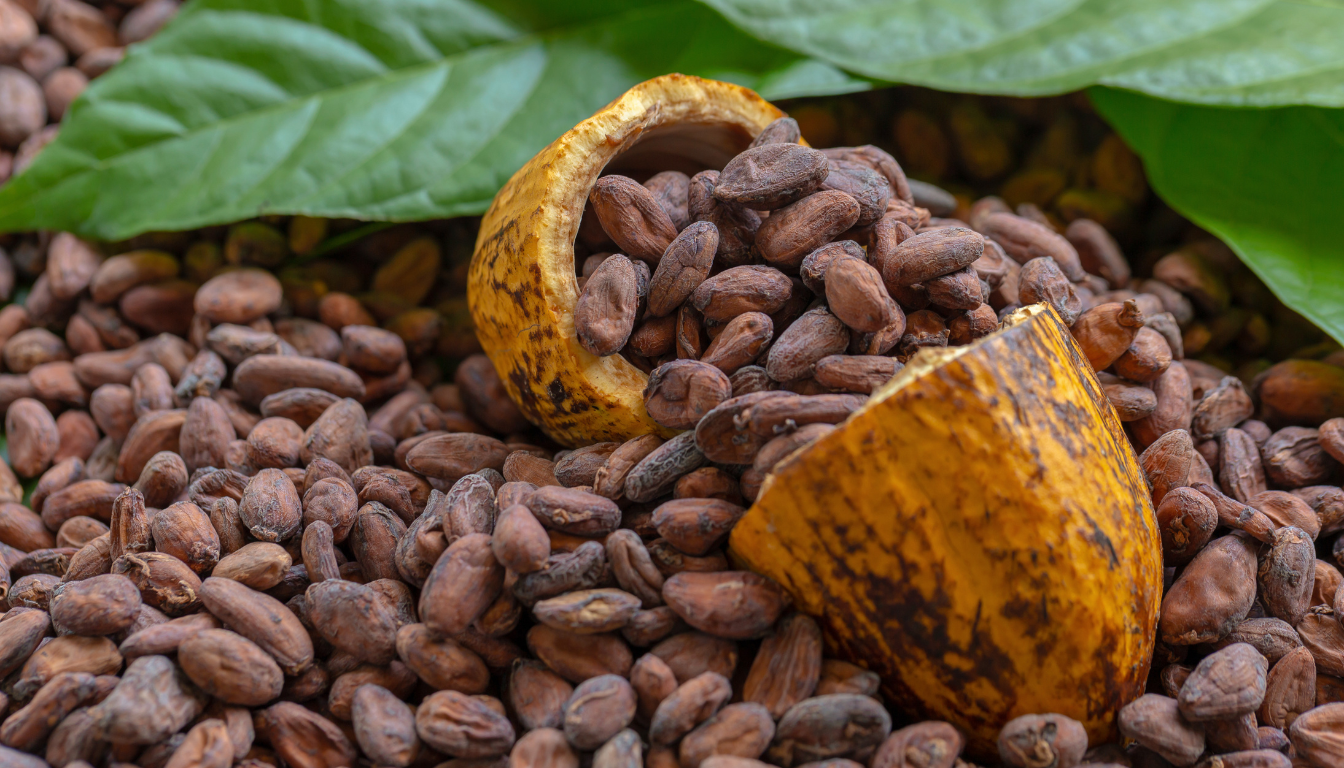
Cocoa Butter for Skin imagine an ingredient so valuable that ancient civilizations once used it as currency. For nearly 3,000 years, this natural substance has been a cornerstone of wellness, cherished by cultures like the Aztecs and Mayans.
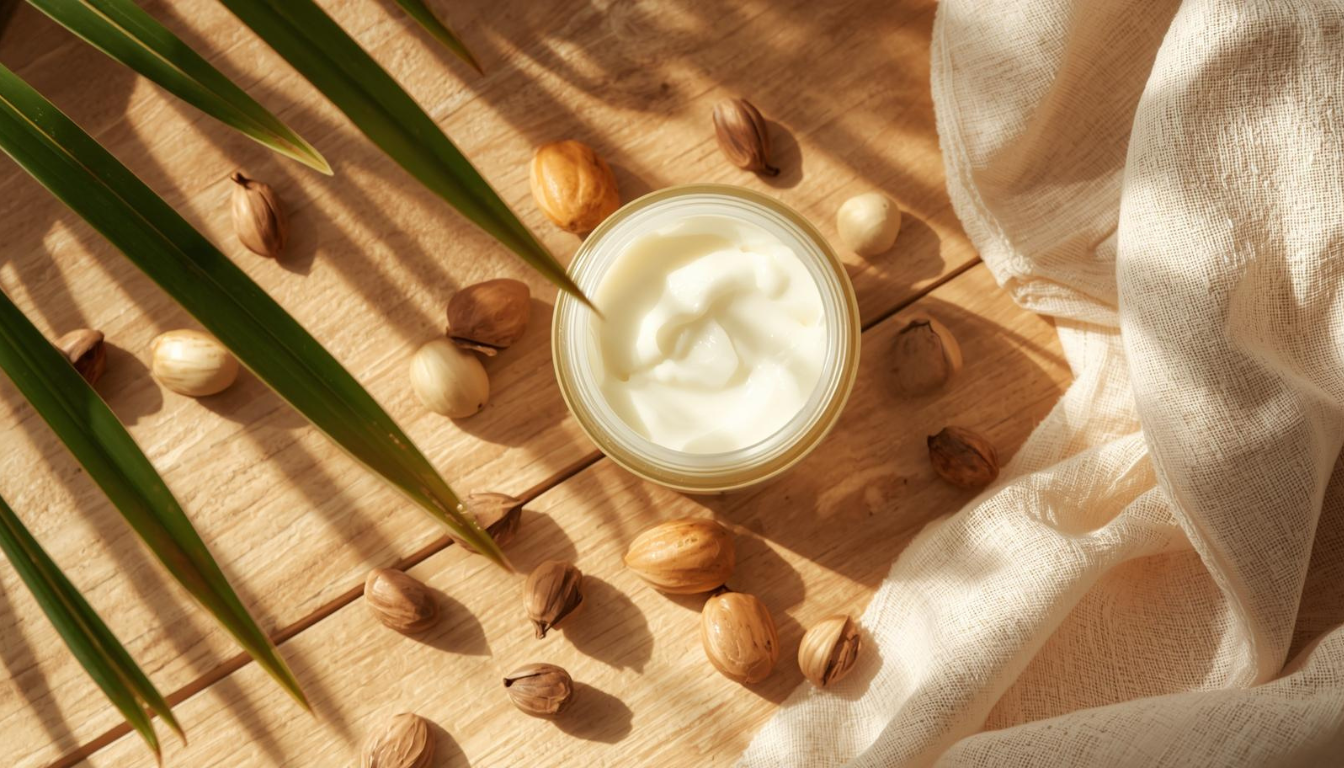
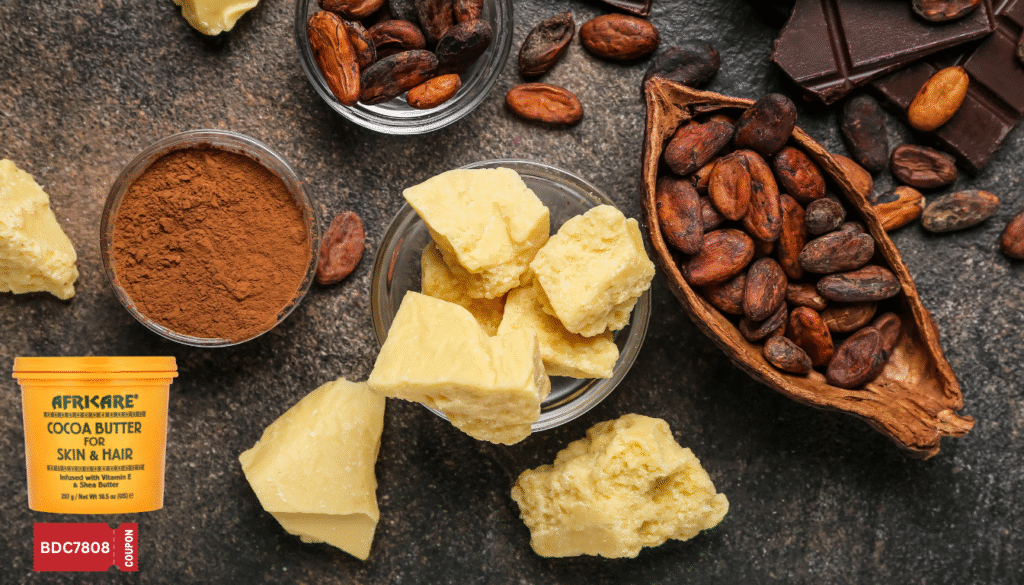
This powerful element is derived from the cacao bean. The beans are roasted, stripped, and pressed to separate this unique fat from the powder.
You are about to discover why this ingredient remains a modern skincare staple. Its solid-at-room-temperature consistency and mild, pleasant aroma are just the beginning.
This guide will explore the true benefits and practical uses of this remarkable component. We will separate popular myths from evidence-based facts to help you make informed decisions for your personal care routine.
Table of Contents
Introduction to Cocoa Butter and Its Role in Skincare
The story of this remarkable skincare component begins not in a lab, but deep within ancient traditions. Its journey to your bathroom shelf spans millennia.
Cultural and Historical Background
For nearly 3,000 years, cultures like the Aztecs and Mayans prized this natural element. They recognized its medicinal properties long before modern science.
Its value was so immense that cacao beans were used as a form of currency. This highlights the ingredient’s profound historical significance beyond simple topical use.
Key Nutrients and Fatty Acids Overview
The power of this substance lies in its rich composition. It is high in fatty acids that create a protective barrier on your skin.
This barrier helps lock in moisture, preventing dryness throughout the day. The ingredient is also packed with natural plant compounds known as phytochemicals.
These include potent polyphenols, which act as antioxidants. They help combat damage from environmental stressors like UV rays.
Furthermore, it contains vital nutrients such as vitamin E for cellular protection and copper for promoting collagen. This synergy supports elasticity and a radiant complexion.
What is Cocoa Butter and How is it Made?
Ever wondered how the rich cacao bean transforms into the smooth, solid butter you find in jars? The process is both simple and fascinating.
It all starts with harvesting beans from the cacao plant. These beans are the foundation of the final product.
From Cacao Beans to Butter: The Extraction Process
First, the beans are roasted. This step develops their deep flavor and pleasant aroma.
Next, the outer shells are stripped away. This reveals the inner nibs which hold the valuable fat.
These nibs are then mechanically pressed. This separates the fat from the solid components.
The extracted fat undergoes heat treatment. It then becomes the final substance known as cocoa butter.
The remaining solids are processed into a different powder. This is how two key ingredients are made from one source.
Cocoa Butter vs. Cacao Butter: Understanding the Differences
You might see both terms on product labels. Manufacturers often use them to mean the same thing.
However, some people make a distinction based on processing. The temperature used during refinement is the key factor.
The table below clarifies the main differences to help you choose.
| Feature | Cacao Butter | Cocoa Butter |
|---|---|---|
| Processing | Low-temperature, considered raw | High-temperature, refined |
| Label Term | Often “unrefined” | Typically “refined” |
| Nutrient Retention | Potentially higher | May be slightly lower |
| Common Use | Same applications and benefits | Same applications and benefits |
Both versions offer similar advantages for your body. The choice often comes down to personal preference for raw ingredients.
cocoa butter for skin: Benefits and Common Uses
Unlock the true potential of this natural emollient by exploring its well-documented advantages. Its value in a daily regimen stems from a powerful combination of hydration and protection.
Moisturizing, Anti-Aging, and Protection Benefits
The primary benefit is intense moisturization. A high concentration of fatty acids forms a protective barrier. This barrier locks in hydration, preventing water loss effectively.
It is excellent for addressing dry skin and chapped lips, especially in harsh weather. The ingredient also offers anti-aging properties.
Vitamin E and polyphenols act as antioxidants. They help protect skin cells from damage caused by free radicals. This combatting action can reduce the appearance of fine lines and dark spots.
Addressing Dry Skin, Eczema, and Scars
Polyphenols can soothe sensitive or inflamed areas, calming irritation from rashes. However, evidence for its use in treating eczema remains limited.
Many people inquire about its effect on scars and stretch marks. The reparative fatty acids may help smooth their appearance.
Yet, scientific studies show it works no better than a placebo cream for this specific treatment. Setting realistic expectations is key for effective skin care.
| Benefit Type | Level of Evidence | Primary Action |
|---|---|---|
| Deep Moisturization | Well-Supported | Locks in hydration with a fatty acid barrier |
| Antioxidant Protection | Moderately Supported | Fights free radicals to protect cells |
| Scar & Stretch Mark Reduction | Minimally Supported | May improve appearance but not proven to remove |
Focus on the proven cocoa butter benefits for the best results in your routine. This approach ensures you use the ingredient strategically.
How to Use Cocoa Butter in Your Daily Skincare Routine
Integrating this natural emollient into your daily regimen is simpler than you might think. You have two main paths: using it directly or opting for pre-made formulations.
Direct Application Versus Product Formulations
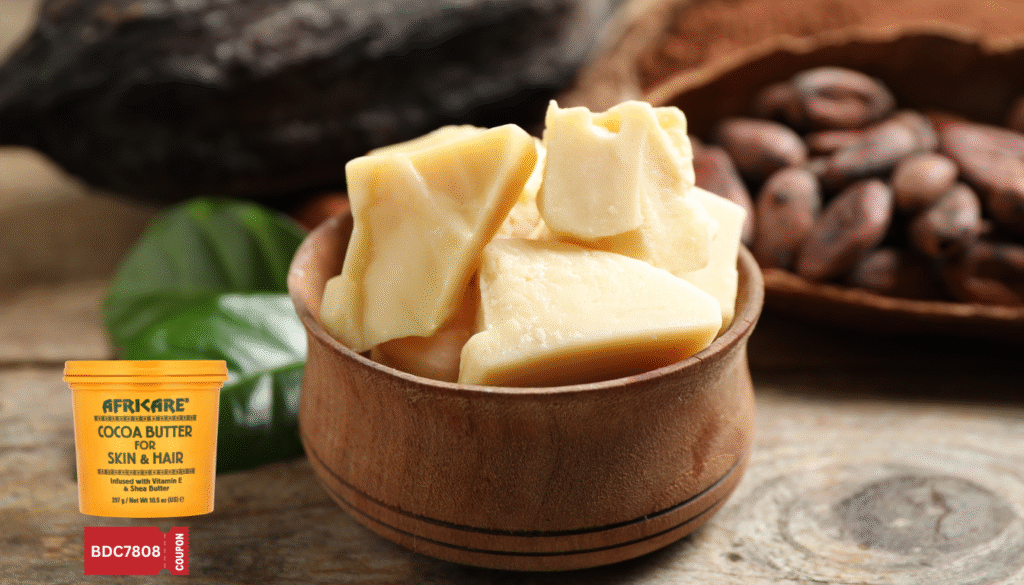
Rubbing a pure chunk onto dry areas is an option. Your body heat melts it into a creamy texture.
This method can be messy. A more practical choice is using care products containing this ingredient.
You can find these items at drugstores and online. They often glide on smoothly and feel less greasy.
Many lotions contain only a small percentage of the key component. Check labels if you want a high concentration.
| Method | Best For | Considerations |
|---|---|---|
| Pure, Direct Use | Targeted, intensive treatment | Can be messy; offers 100% purity |
| Formulated Products | Easy, daily full-body care | Less oily feel; check ingredient list for percentage |
DIY Recipes and Best Practices
For a pure DIY approach, seek out unrefined versions. Melt a piece in hot water to create your own blends.
Many people mix it with coconut oil for a luxurious body cream. Others create a moisturizing hair treatment.
Always perform a spot test before widespread use. This ensures you do not have a reaction.
You can apply these creations every day. They work well on lips and other dry areas.
Incorporating Cocoa Butter in Beauty and Haircare
You can also harness this natural ingredient’s power for your hair and scalp, not just your skin. It offers deep conditioning without a heavy, greasy feel.
The fatty acids penetrate the hair shaft to deliver lasting hydration. This strengthens follicles from within, promoting thicker, stronger strands.
Benefits for Hair: Conditioning and Scalp Health
Using a scalp treatment is especially nourishing for natural hair textures. It helps maintain healthy oil production.
This action can minimize dandruff and create optimal conditions for growth. As a humectant, it draws moisture into your hair for healing and softening.
Raw versions can strengthen the hair shaft and help reduce fallout. Your hair becomes more manageable and healthy.
Using Cocoa Butter in Multi-Purpose Products
For a quick pre-shower treatment, melt a small amount. Massage it into your hair and scalp for up to 10 minutes before shampooing.
To fight frizz, mix a dime-sized drop with warm water. This creates a stellar pomade for smoothing flyaways.
You can also add melted butter to your regular conditioner. Use it as a targeted treatment for dry ends for 3-4 minutes.
Many multi-purpose care products combine this ingredient with others like coconut oil. They offer convenient solutions for both your body and hair needs.
Conclusion
As you explore different approaches to maintaining healthy skin, understanding realistic expectations is crucial. Cocoa butter offers a safe, natural option that many people enjoy for its moisturizing properties.
The evidence clearly supports its effectiveness for basic hydration and protection. However, claims about dramatic improvements to skin tone or eliminating stretch marks lack strong scientific backing.
Individual results will always vary based on your unique skin type. What works wonderfully for others may produce different outcomes for you.
If you have specific concerns about skin damage or need professional treatment, consult a dermatologist. They can help create a personalized skin care regimen that addresses your particular needs.
Ultimately, this natural ingredient provides solid benefits for general skin maintenance when used with realistic expectations.