
Glycolic Acid for Face: 15 Amazing Benefits, How to Use & Best Products for Every Skin Type (2025)

Have you ever wondered about the secret behind a glowing, radiant complexion? In the world of modern skincare, one powerful ingredient consistently stands out. It offers a path to revitalized and youthful-looking skin.
This guide uncovers everything you need to know. You will discover why this treatment has become a top choice for rejuvenation. We break down the science in a simple, easy-to-understand way.
You will learn how this ingredient works at a cellular level. It addresses dullness, uneven texture, and fine lines. Our evidence-based information comes from dermatologists and clinical research.
Explore 15 distinct benefits that make this component a multitasking powerhouse. We provide product selection criteria and application techniques. This ensures you can make informed decisions for your unique needs.
Whether you are new to chemical exfoliants or optimizing your routine, you will find actionable insights. Get ready to transform your approach to anti-aging and achieve visible results.
Table of Contents
Understanding Glycolic Acid in Skin Care
Natural compounds from plants have revolutionized modern dermatological treatments. These substances work at a cellular level to improve your complexion’s appearance and health.
What is Glycolic Acid and Its Origin?
This powerful ingredient comes from sugarcane and other natural sources. In its pure state, it appears colorless and has no scent. Most cosmetic products use laboratory-created versions for consistent quality.
The compound belongs to the alpha hydroxy acid family. This group includes lactic, citric, malic, and tartaric varieties. Each offers unique benefits for your skin’s appearance.
| Alpha Hydroxy Acid Type | Primary Source | Molecular Weight | Skin Penetration |
|---|---|---|---|
| Glycolic | Sugarcane | 76 g/mol | Deep |
| Lactic | Milk | 90 g/mol | Medium |
| Citric | Citrus fruits | 192 g/mol | Surface |
| Malic | Apples | 134 g/mol | Surface |
The Science Behind Alpha Hydroxy Acids
These compounds feature small molecules that absorb easily into your skin. Their tiny size allows effective penetration through the outer layers. This enables them to work where they’re most needed.
The smallest molecular structure in this family belongs to glycolic acid. This characteristic gives it superior ability to reach deeper skin levels. The result is more comprehensive treatment benefits for your complexion.
Key Benefits of Glycolic Acid for Face
A truly effective skincare component doesn’t just do one thing; it transforms your complexion through a cascade of positive effects. This powerful ingredient works on the surface and at a deeper level to address common concerns.
The core advantages stem from four main properties. These actions work together to deliver visible results.
- Exfoliation: Gently dissolves the bonds between dead skin cells.
- Hydration: Acts as a humectant to attract and bind moisture.
- Collagen Stimulation: Encourages your skin to produce more of its supportive proteins.
- Antibacterial Action: Helps reduce bacteria linked to breakouts.
Exfoliation, Collagen Boost, and Hydration
This treatment excels at gentle exfoliation. It clears away dullness by dissolving the material that holds dead skin cells together. This reveals a smoother, brighter layer underneath.
Simultaneously, it encourages your skin to produce more collagen. This protein is essential for keeping your skin firm and resilient. The result is a reduction in the appearance of fine lines.
It also works as a humectant. This means it helps your skin attract and retain water. Your complexion looks more plump and feels deeply hydrated.
Anti-Aging Effects and Skin Renewal
The anti-aging effects are comprehensive. By accelerating cell renewal, it helps fade dark spots caused by sun damage. Your skin tone becomes more even and radiant.
It is also effective for managing acne. The component helps keep pores clear, preventing blackheads and breakouts. It can even help improve the look of acne scars over time.
This renewal process tackles multiple signs of aging at once. You may notice a visible improvement in texture and elasticity.
How Glycolic Acid for Face Works
The secret to this skincare powerhouse lies in its unique ability to interact with your skin’s natural processes. It operates on multiple levels to deliver visible results.
Mechanism of Action and Cell Turnover
This ingredient works by speeding up your skin’s natural renewal cycle. It dissolves the bonds that hold skin cells together. This allows dull, damaged cells to shed more efficiently.
The small molecular structure enables deep penetration into your skin’s layers. This superior absorption sets it apart from other alpha hydroxy acids. Your complexion begins to reveal its brighter, fresher layers.
| Process | Natural Rate | With Treatment | Visible Result |
|---|---|---|---|
| Cell Turnover | 28-40 days | 14-21 days | Brighter complexion |
| Collagen Production | Declines with age | Stimulated | Firmer skin |
| Dead Skin Removal | Gradual | Accelerated | Smoother texture |
Removing Dead Skin and Improving Texture
By clearing away dead skin buildup, this treatment reveals smoother skin underneath. The process helps minimize the appearance of pores and fine lines. Your skin’s surface becomes more even and refined.
Regular use encourages collagen production, which naturally declines with aging. This helps maintain your skin’s elasticity and firmness. The combined effects lead to a more youthful-looking complexion.
Consistent application ensures lasting benefits for your skin’s health and appearance.
Step-by-Step Guide to Using Glycolic Acid for Face
The key to successful integration lies in methodical progression and careful observation. This approach helps your skin adapt while minimizing potential reactions.
Starting Slow with Patch Testing
Before beginning any new treatment, consult a dermatologist if you have sensitive skin or existing conditions. This professional guidance ensures safety.
Perform a patch test on a small, non-facial area first. Apply the product and wait 24 hours to check for adverse reactions. This simple step prevents widespread irritation.
Application Techniques and Routine Building
Start with a low concentration product and apply it just three times weekly. Gradually increase frequency as your skin builds tolerance. Consistency is more important than intensity when establishing your routine.
Use your chosen product at night to minimize sun sensitivity. Begin with a gentle formula and apply to clean, dry skin. Allow proper absorption time before following with moisturizer.
Monitor your skin’s response closely. Some initial roughness is normal as dead cells shed. However, significant redness or burning signals the need to pause and reassess your approach.
Stick with one effective product rather than multiple treatments. This focused strategy prevents over-exfoliation while delivering visible results over time.
Choosing the Best Glycolic Acid Products
Navigating the vast selection of available skincare items can feel overwhelming. Making an informed choice requires understanding the different product types and their intended effects.
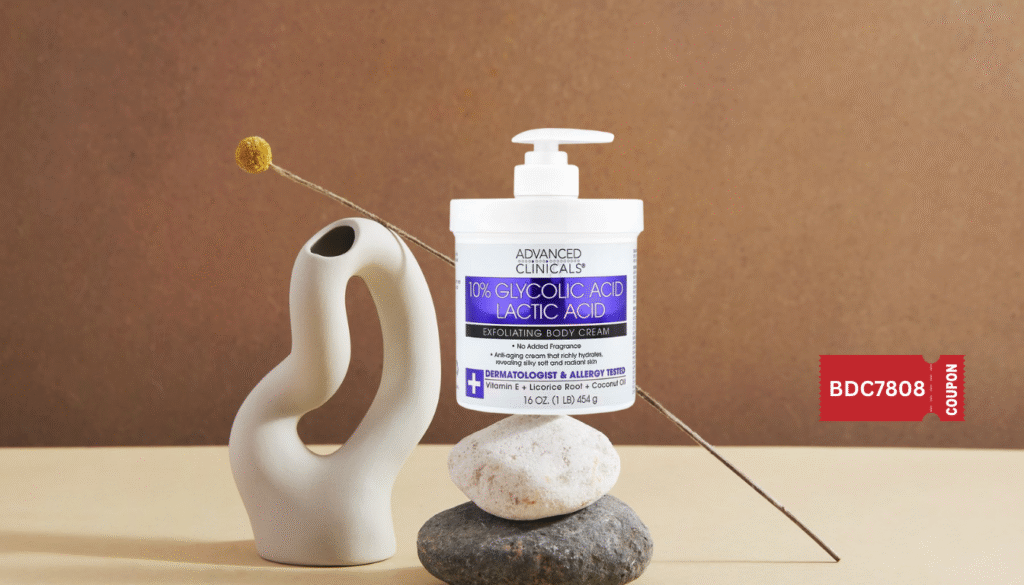
You can find this powerful ingredient in many over-the-counter items. These range from daily cleansers and toners to more potent serums and moisturizers. Each format offers a unique way to incorporate it into your routine.
OTC Options Versus Professional Treatments
Over-the-counter products typically contain strengths up to 10%. Leave-on formulas, like serums, often deliver superior results. They allow the formula more time to work effectively on your skin.
For more intensive concerns, professional treatments are available. Estheticians can apply light peels up to 30% strength. Dermatologists offer even stronger solutions, reaching up to 70% for significant issues.
Many individuals achieve their goals with over-the-counter options. These can provide brighter, healthier-looking skin. Professional peels address specific problems more quickly but carry higher irritation risks.
Understanding Product Strength and pH Levels
The percentage of the active ingredient is just one factor. The product’s pH level is equally crucial for effectiveness. A lower pH means a more acidic and potent formula.
Most over-the-counter items maintain a pH around 4. This is close to your skin’s natural balance, minimizing potential irritation. Beginners should start with a lower concentration, approximately 8%, to build tolerance.
| Product Type | Typical Strength | pH Level | Best For |
|---|---|---|---|
| OTC Serum | Up to 10% | ~4 | Daily use, mild brightening |
| At-Home Peel | 10% – 30% | ~3.5 | Weekly treatment, texture |
| Professional Peel | 30% – 70% | Stubborn concerns, rapid results |
If concentration or pH isn’t listed, contact the company directly. This information ensures you select the right product for your skin’s needs. A thoughtful approach helps you achieve the best possible outcome.
Tips for a Safe Glycolic Acid Routine
Safety should always be your top priority when introducing powerful skincare ingredients into your routine. Proper protection and smart product pairing ensure you get the benefits without unwanted side effects.
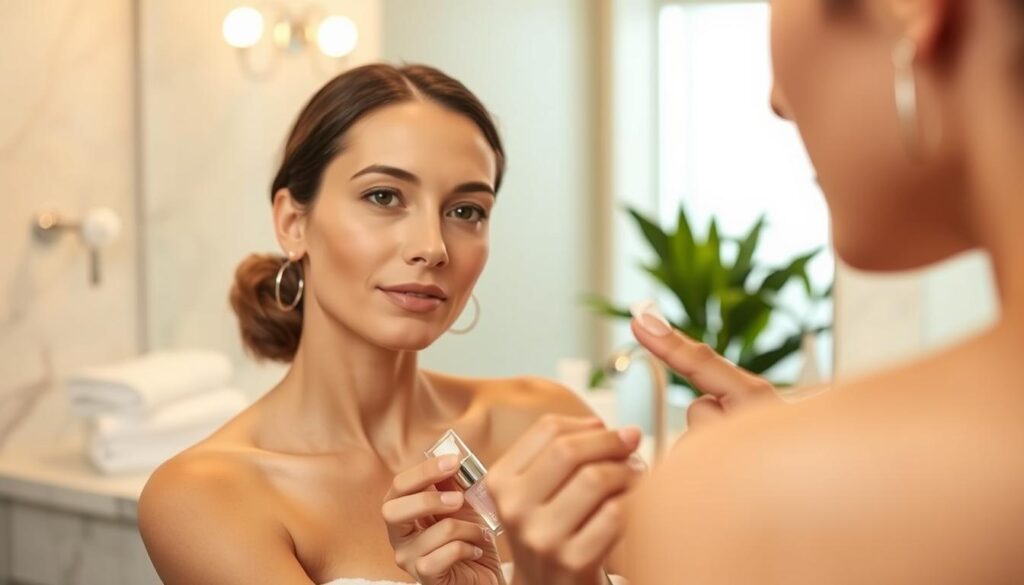
Sun Protection and Hydration Essentials
Daily broad-spectrum sunscreen is non-negotiable when using glycolic acid treatments. These products increase your skin’s sensitivity to UV rays, making protection crucial.
While they help reduce existing sun damage, they also make you more vulnerable to new damage. Apply sunscreen as your final step before going outside. Avoid tanning beds completely during treatment periods.
Pair your routine with hydrating ingredients like hyaluronic acid and ceramides. These companions support your skin barrier and maintain moisture balance.
Managing Skin Sensitivity and Irritation
Never combine glycolic acid with retinoids or salicylic acid. Using multiple exfoliating products can overwhelm your skin and cause severe irritation.
Some people experience redness, burning, or peeling when starting treatment. These symptoms indicate you should stop using the product immediately. Burning sensations don’t mean the treatment is working effectively.
| Normal Adjustment | Problematic Reaction | Recommended Action |
|---|---|---|
| Mild tingling that fades quickly | Persistent burning or stinging | Wash off product and discontinue use |
| Slight roughness as dead cells shed | Significant redness or peeling | Switch to gentler exfoliant options |
| Gradual brightness improvement | Itching or swelling | Consult dermatologist if severe |
If the product gets in your eyes, rinse thoroughly with clean water. For extremely sensitive or rosacea-prone skin, consider gentler alternatives like lactic acid. These care products provide similar benefits with less potential for irritation.
Expert Advice and Considerations for Glycolic Acid Use
Getting the most from your skin care routine often requires professional insight to tailor treatments to your unique needs. Expert guidance ensures your approach is both effective and safe for your complexion.
When to Consult a Dermatologist
Speaking with a dermatologist is crucial before you start any new glycolic acid treatment. This is especially important if you have a skin condition like acne or rosacea, or if you use prescription medications.
This powerful ingredient is not suitable for all people. A professional can assess your skin and recommend the right concentration and product type for your goals.
They help you understand the best time and frequency to use glycolic acid. Starting slowly, like once or twice a week, helps your skin build tolerance without irritation.
Balancing Glycolic Acid with Other Skincare Actives
Combining actives requires care. Avoid using glycolic acid with other exfoliants like salicylic acid or retinoids in the same routine. This prevents overwhelming your skin.
For oily or combination skin, this component can be excellent for clearing pores and managing acne. Look for gentler formulas under 10% for at-home care.
Your choice between over-the-counter items and professional peels depends on your concerns. The table below outlines the key differences.
| Treatment Type | Best For | Ideal Frequency |
|---|---|---|
| OTC Products | General maintenance, brighter skin | 2-3 times weekly |
| Professional Peels | Targeting specific issues quickly | As recommended by a dermatologist |
Conclusion
Achieving your skincare goals requires realistic expectations and a consistent approach. You will likely notice a smoother texture and a healthy glow within the first couple of weeks. More significant results, like improved tone and diminished fine lines, often become clear after about a month of regular use.
For optimal, long-lasting results, patience is essential. Most people see a notable transformation after three to six months of using this glycolic acid treatment several times weekly. Remember, consistency is key, but overuse can cause irritation.
Mild tingling or dryness is common initially. However, severe redness signals a need to reduce frequency or switch to a gentler formula. This component is found in many skin care items and offers exfoliating and anti-aging benefits.
Always consult a dermatologist before starting, begin slowly, and protect your skin with daily sunscreen. This final guidance empowers you to incorporate this powerful tool into your skin care routine safely and effectively.