

Niacinamide for Skin: 18 Proven Benefits, Best Products & Complete Guide for Glowing Skin (2025)
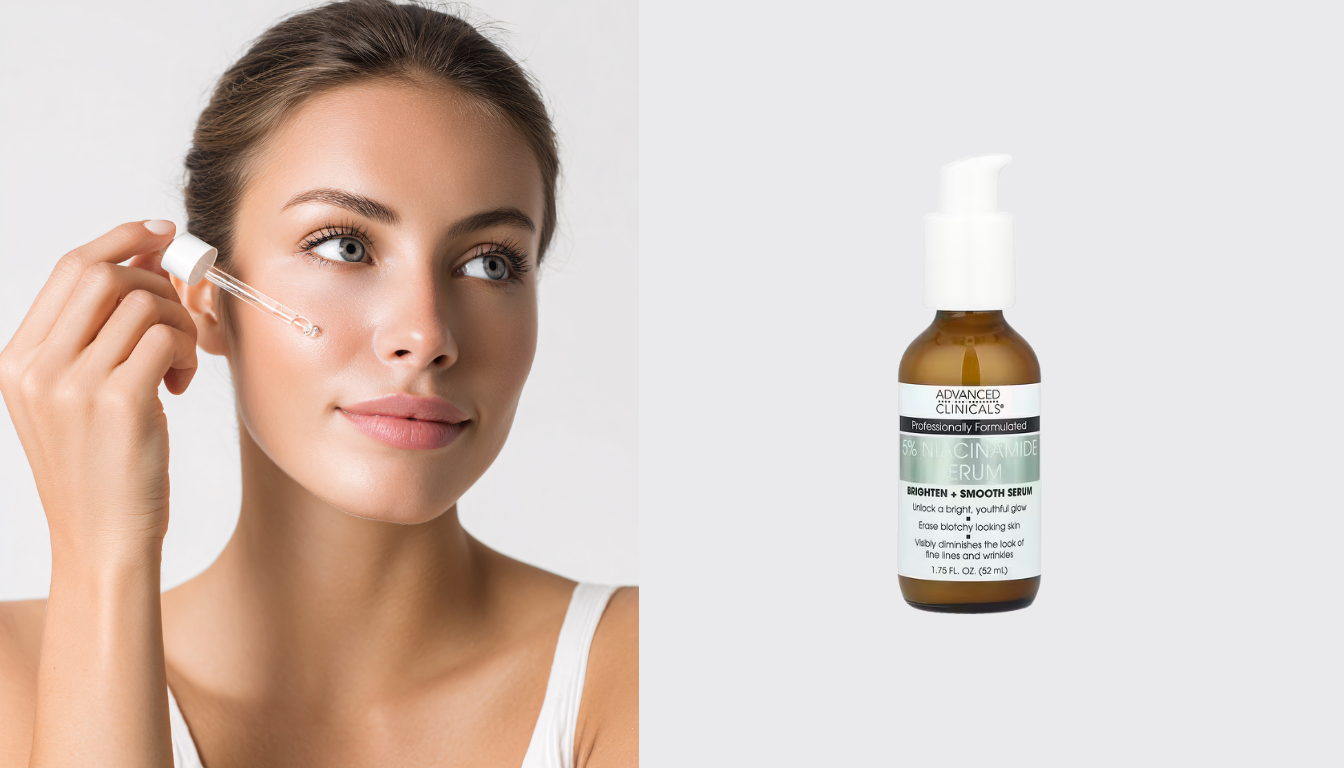
Welcome to your complete resource on a powerhouse nutrient that has revolutionized modern beauty routines. This guide dives deep into the world of a versatile vitamin B3 derivative.
This ingredient works by supporting your complexion’s natural defenses. It helps build proteins that keep your tissue strong and locks in essential hydration. It also offers a shield against daily environmental aggressors that can lead to premature aging.
We will explore eighteen scientifically-supported advantages. These range from smoothing the appearance of fine lines to addressing concerns like acne and uneven tone. You will learn how this component can calm inflammation and promote a more balanced, radiant look.
Our 2025 update includes a curated list of top-rated serums, moisturizers, and cleansers. We provide clear guidance on selecting the right concentration for your unique needs. This evidence-based information empowers you to make confident choices for your personal care regimen.
Table of Contents
Understanding Niacinamide and Its Role in Skin Health
Let’s begin by breaking down the core identity and origin of this essential nutrient. Known scientifically as a form of vitamin B3, it is vital for overall health.
Your body creates this compound in two ways. It converts excess niacin, found in foods like eggs and salmon, into this stable form. It can also produce it from the amino acid tryptophan.
What is Niacinamide and How Is It Formed?
This specific vitamin is water-soluble. It supports the function of your entire body, from your heart to your nervous system. The synthetic version is what powers many modern serums and creams.
This table shows common natural sources of the parent vitamin B3 (niacin):
| Food Source | Type | Benefit |
|---|---|---|
| Chicken Breast | Lean Meat | High Bioavailability |
| Brown Rice | Whole Grain | Sustained Energy Release |
| Spinach | Leafy Green | Rich in Multiple Vitamins |
The Science Behind Its Skin-Boosting Properties
At a cellular level, this ingredient is a powerhouse. It directly aids in building keratin. This protein is fundamental for strong, resilient tissue.
It also boosts ceramide production. Ceramides are lipids that form a protective barrier. This helps lock in moisture and shield against daily pollutants.
By supporting cellular energy and repair, it actively contributes to a vibrant appearance. This targeted action is why topical application is so effective for specific concerns.
Unlocking the 18 Proven Benefits for a Glowing Complexion
Delve into the remarkable range of advantages this vitamin B3 derivative offers. The benefits are backed by solid research and can transform your routine.

These benefits are grouped into key areas for easy understanding. Each category addresses specific concerns with proven results.
Hydration, Elasticity, and Reduced Signs of Aging
This ingredient significantly boosts hydration by strengthening the lipid barrier. This action helps lock in essential moisture and keeps irritants out.
It also improves elasticity by affecting keratin molecules. This leads to a firmer, more supple feel. The antioxidant properties help reduce the appearance of fine lines and wrinkles.
Studies show improvements in skin texture with consistent use. You may notice a difference in a few weeks.
Fighting Acne, Hyperpigmentation, and Inflammation
It is highly effective for managing acne. Research indicates it can be as effective as some prescription treatments. It helps regulate oil production.
This component calms redness and reduces inflammation. It also helps fade dark spots and hyperpigmentation. It works by preventing pigment transfer within cells.
Many people find it less irritating than other acne treatments. This makes it suitable for sensitive complexions.
Supporting Skin Barrier and Immunity
A strong barrier is crucial for overall health. This ingredient helps restore cellular energy and repair DNA damage. It also reduces the immunosuppressive effects of UV exposure.
Significant studies suggest it may offer protection against certain conditions. By supporting the barrier, it enhances your complexion’s natural defenses. This leads to a healthier, more resilient appearance.
With consistent use, the benefits become clear. Patience is key to seeing the full results.
Using niacinamide for skin: Effective Tips for Your Routine
Implementing this powerhouse ingredient effectively requires understanding proper timing and technique. A well-structured approach ensures optimal results from your personal care regimen.
Integrating It into Your Morning and Nightly Regimens
Consistency is crucial for achieving the best outcomes. Apply this component once or twice daily based on your complexion’s needs.
In your morning care routine, use it after gentle cleansing but before sunscreen. This provides daytime protection and hydration. Evening application follows cleansing as part of your nightly ritual.
| Time of Day | Application Order | Key Benefit |
|---|---|---|
| Morning | After cleansing, before sunscreen | Daylong protection and moisture |
| Evening | After cleansing, before heavier treatments | Overnight repair and renewal |
| Flexible | Can mix with moisturizer | Simplified application process |
Step-by-Step Application and Patch Testing Guidelines
Always begin with a patch test before full facial use. Apply a dime-sized amount to your forearm and wait 48-96 hours. Discontinue if redness or itching occurs.
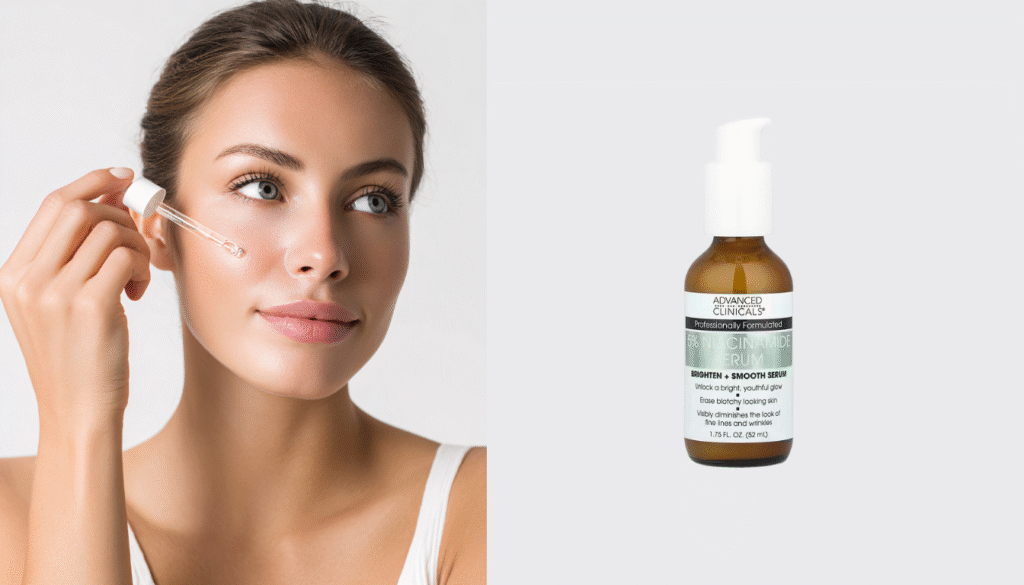
For daily use, start with lower concentrations around 5%. Gentle cleansing prepares your complexion for optimal absorption. You can apply serum directly or mix it with moisturizer.
This versatile ingredient works well with most cleansers and treatments. Building a sustainable care routine ensures long-term benefits for your appearance.
Pairing Niacinamide with Complementary Skincare Ingredients
Creating a synergistic skincare routine requires understanding how different ingredients work together for enhanced results. Strategic combinations can significantly amplify the effectiveness of your daily regimen.
Many people mistakenly believe certain components conflict with each other. Scientific evidence shows these combinations actually create powerful partnerships.
Combining with Vitamin C, Retinol, and Hyaluronic Acid
The myth about incompatibility between this vitamin B3 derivative and vitamin C is unfounded. These antioxidant ingredients actually boost each other’s brightening and protective benefits.
Hyaluronic acid enhances absorption while delivering intense hydration. Retinol pairs beautifully, with the B3 compound reducing potential irritation.
After about four weeks, you should notice smoother texture. By eight weeks, significant improvements in tone and hydration become apparent.
Optimizing Absorption for Enhanced Results
Proper layering ensures each component penetrates effectively. Start with lighter formulations before heavier products.
Glycolic acid exfoliates while enhancing brightness. Ceramide-based products support superior barrier repair when combined strategically.
For acne concerns, zinc and folic acid supplements create effective partnerships. Avoid using too many niacinamide-containing products simultaneously.
This approach maximizes benefits without overwhelming your complexion. Your personalized skin care routine becomes more effective through thoughtful combinations.
Addressing Concerns: Safe Use, Side Effects, and Dosage
Before adding any new element to your routine, it’s wise to review potential reactions and appropriate concentrations. This vitamin B3 derivative is generally well-tolerated, but understanding safety protocols ensures optimal results.
Identifying Potential Reactions and When to Consult a Dermatologist
Most people experience no adverse side effects from topical application. However, rare reactions can include mild itching, burning sensations, or temporary redness.
Individuals with preexisting allergies may be more susceptible to reactions. The component can trigger histamine release in the body. Always perform a patch test before full facial use.
Apply a dime-sized amount to your forearm. Wait 48-96 hours to monitor for any adverse effects. Discontinue use if irritation occurs.
Consult a dermatologist if you experience persistent reactions or see no improvements after several months. They can assess your personal care regimen and recommend appropriate adjustments.
Managing Concentrations in Topical Products and Supplements
For topical applications, formulations containing 5% or less are generally safe. Those with sensitive skin should start with lower concentrations.
Oral supplements require medical supervision. Safe daily doses typically remain under 35 milligrams. Very high doses (900-1500 mg) can cause stomach discomfort or dizziness.
Never take supplements without professional guidance. Your doctor can determine the appropriate amount for your specific needs and health status.
Conclusion
This guide has explored the remarkable versatility of a true skincare champion. The benefits are backed by solid science, addressing everything from acne to fine lines.
Integrating this powerhouse into your daily routine is straightforward. Starting with a lower concentration allows your complexion to adjust comfortably. Always perform a patch test with any new product.
For optimal skin health, consistency is key. Visible improvements often appear after several weeks of regular use. Remember that oral supplements require medical guidance.
Embrace this effective component to support a radiant, resilient appearance. Your journey toward a more balanced complexion starts with a simple addition to your care routine.