

PCOS Diet Plan: 15 Foods to Balance Hormones, Clear Skin & Boost Fertility Naturally (2025)
Have you ever felt like your own body is working against you? For many women, this is a daily reality. The struggle with unpredictable cycles, frustrating skin issues, and a feeling of being out of balance is all too common.
You are not alone. Polycystic ovary syndrome affects at least 1 in 10 women of reproductive age. It’s a hormonal condition often driven by excess androgens.
This imbalance can lead to irregular periods, acne, hair changes, and fertility challenges. While there is no cure, you have immense power to manage your symptoms.
This guide focuses on a powerful nutritional strategy. It’s not about harsh restrictions. Instead, it’s about making informed, sustainable food choices that support your body’s natural rhythms.
You will discover 15 specific foods that work together. They are chosen to help balance hormones, improve skin clarity, and support your reproductive health. This 2025 approach incorporates the latest insights on reducing inflammation and regulating insulin.
Get ready to explore a path toward feeling like yourself again. This is your first step toward taking control of your well-being.
Table of Contents
Introduction: Managing PCOS Through Diet
When it comes to hormonal health, the food on your plate can be your most powerful ally. What you eat directly influences how your body experiences various symptoms. This connection is particularly important for managing pcos effectively.
Insulin resistance often plays a central role in this condition. When your cells don’t respond properly to insulin, your body produces more of it. This excess insulin can raise androgen levels, worsening symptoms like irregular cycles and unwanted hair changes.
The right nutritional approach focuses on stabilizing blood sugar levels. A thoughtful pcos diet emphasizes whole, nutrient-dense foods that support your body’s natural balance. This strategy goes beyond simple weight management to address root causes.
Consistent meal timing throughout the day supports better energy and hormone regulation. Skipping meals or following extreme eating patterns can disrupt your metabolism. Instead, focus on sustainable choices that become lifelong habits.
| Supportive Choices | Impact on Health | Examples |
|---|---|---|
| High-fiber vegetables | Slow sugar absorption | Broccoli, leafy greens |
| Lean proteins | Promote satiety | Chicken, fish, legumes |
| Healthy fats | Reduce inflammation | Avocado, nuts, olive oil |
| Complex carbohydrates | Steady energy release | Quinoa, oats, sweet potatoes |
This approach offers multiple benefits beyond symptom management. You may notice improved mental clarity, better energy levels, and enhanced cardiovascular health. The right foods work together to create positive changes throughout your body.
Understanding PCOS: Hormonal Imbalances and Insulin Resistance
At its core, polycystic ovary syndrome involves a complex interplay between your reproductive and metabolic systems. This common hormonal disorder affects how your ovaries function.
It is typically driven by an excess of androgens. These are often called “male hormones,” but your body produces them naturally.
What is PCOS and Its Common Symptoms?
High androgen levels interfere with ovulation. This disruption leads to a hormonal imbalance.
The resulting symptoms can include irregular periods, persistent acne, and changes in hair growth. You might experience thinning scalp hair or excessive hair on the face and body.
Fertility challenges are also a common concern for many women with this condition.
The Role of Insulin and Inflammation in PCOS
Many people with this syndrome experience insulin resistance. This means your cells don’t respond well to insulin.
Your body then produces more insulin to compensate. This high insulin level can trigger your ovaries to produce more androgens, worsening symptoms.
This metabolic dysfunction can also cause visible skin changes like dark patches.
Furthermore, a cycle of inflammation and weight gain often occurs. Excess weight can lead to more inflammation, which in turn contributes to the progression of the syndrome.
| Key Factor | Primary Effect | Common Signs |
|---|---|---|
| Hormonal Imbalance | Disrupted ovulation | Irregular periods, fertility issues |
| Insulin Resistance | Elevated blood insulin | Weight gain, skin tags |
| Chronic Inflammation | Worsened metabolic health | Fatigue, difficulty managing weight |
Essential Nutrients and Foods for a Healthful PCOS Diet
Building a solid nutritional foundation is key to managing your well-being. The right food choices directly support your body’s needs.
Focus on specific nutrients that help regulate your system. This approach brings balance from the inside out.
High-Fiber Vegetables & Whole Grains for Blood Sugar Control
Fiber is your ally for stable energy. It slows digestion, which prevents rapid spikes in blood sugar.
This is crucial for maintaining steady insulin levels. Include plenty of broccoli, spinach, and kale.
Whole grains like oats and quinoa are excellent choices. They provide lasting energy and important minerals.
Legumes such as chickpeas and black beans are also great sources. They keep you feeling full and satisfied.
Lean Proteins and Healthy Fats for Hormonal Balance
Lean proteins are essential for muscle health. They help reduce cravings and support metabolic function.
Aim for sources like fish, chicken, and tofu. Starting your day with adequate protein sets a positive tone.
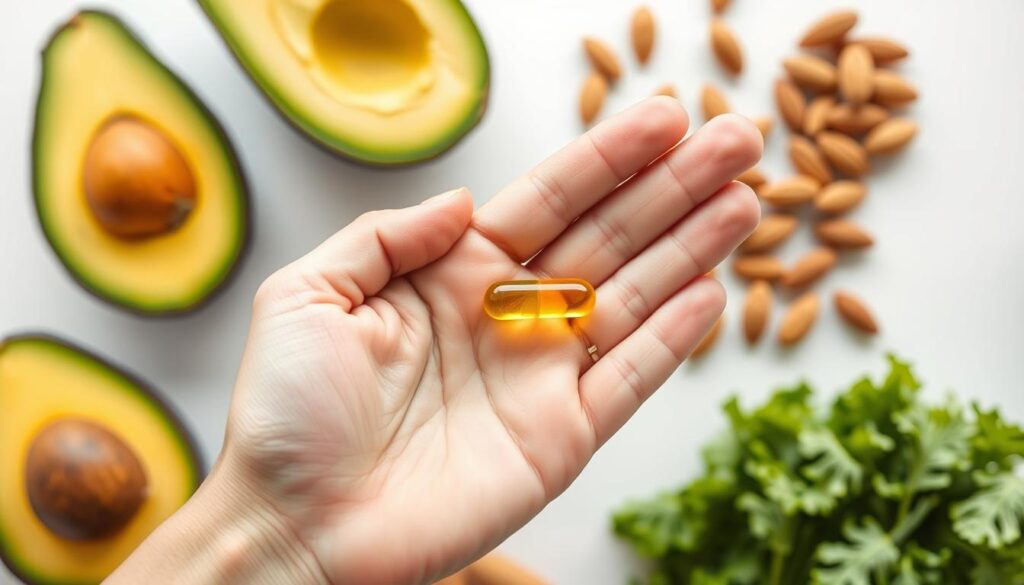
Healthy fats play a vital role in reducing inflammation. Avocados, nuts, and olive oil are wonderful options.
These fats aid in hormone production and nutrient absorption. Incorporating them into meals supports overall balance.
Building Your PCOS Diet Plan
Creating your personalized nutritional strategy is an empowering step toward managing your well-being. This approach focuses on specific food choices that directly support your body’s needs.
It’s about making informed selections that work for you long-term. You will learn which items to embrace and which to enjoy less frequently.
Foods to Include for Natural Hormone Regulation
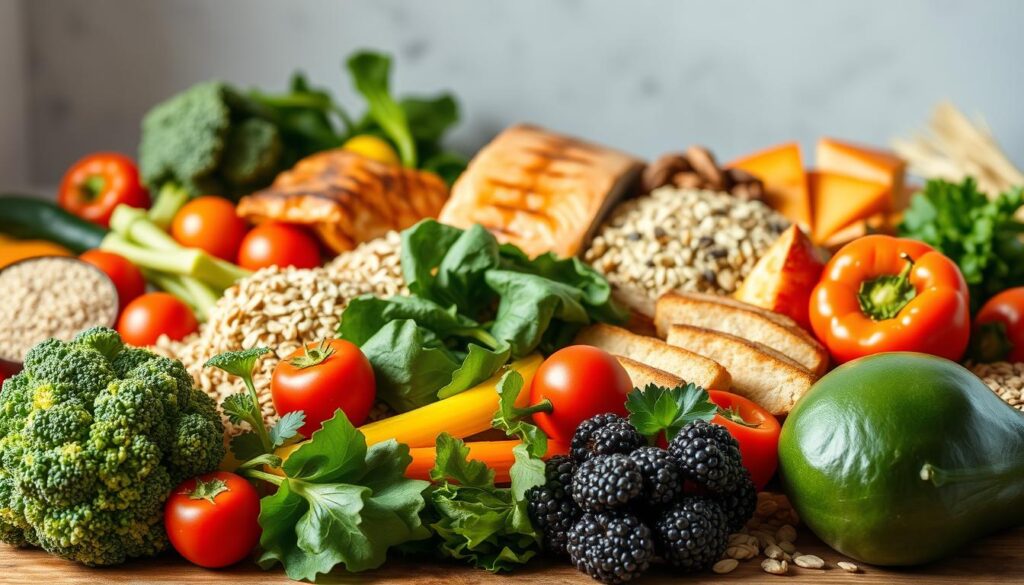
Prioritize anti-inflammatory items to combat oxidative stress. These foods provide antioxidants essential for metabolic balance.
Excellent choices include turmeric, leafy greens, and blueberries. Ginger, tomatoes, and green tea are also powerful additions.
Chronic inflammation can worsen various symptoms. Including these items helps regulate your system naturally.
Foods to Limit for Reduced Blood Sugar Spikes
Some items can cause sharp increases in your sugar levels. This can worsen insulin resistance over time.
Refined carbohydrates like white bread and pasta digest quickly. Sugary drinks are also major contributors to unstable energy.
Fried snacks and processed meats often trigger inflammation. Being mindful of these supports better overall health.
| Category to Enjoy Regularly | Primary Benefit | Specific Examples |
|---|---|---|
| Anti-inflammatory Foods | Reduce oxidative stress | Turmeric, blueberries, green tea |
| High-Fiber Vegetables | Support stable insulin | Spinach, broccoli, kale |
| Category to Consume Mindfully | Primary Concern | Specific Examples |
| Refined Carbohydrates | Cause rapid sugar spikes | White rice, pastries, white pasta |
| Sugary Beverages | Trigger cravings and inflammation | Soda, sweetened juice, energy drinks |
Meal Planning Strategies and Sample Recipes for PCOS
A well-structured approach to meals provides the consistency your body needs for hormonal balance. This strategy helps regulate your system naturally.
Overview of a Versatile 3-Day Meal Plan
This sample schedule offers balanced options for each meal. It focuses on whole foods that support stable energy.
| Day | Breakfast | Lunch | Dinner |
|---|---|---|---|
| Day 1 | Oatmeal with nuts | Chicken pita with salad | Baked chicken parmesan |
| Day 2 | Whole wheat waffles | Individual pizza | Chicken quesadilla |
| Day 3 | Avocado toast | Whole grain wrap | Pita pizza |
Smart Swaps and Portion Control Tips
Space your eating every few hours to maintain stable blood sugar. This prevents cravings and supports healthy weight.
Choose preparation methods that boost nutrition. Steam vegetables instead of frying. Use veggie noodles for lower-carb options.
Focus on lean protein sources and colorful vegetables. These choices provide lasting energy throughout your day.
Lifestyle and Exercise Tips to Support Your PCOS Journey
Taking control of your well-being extends far beyond the kitchen and into your daily routines. A comprehensive approach combines smart food choices with consistent movement and effective stress management.
These elements work together to create lasting positive changes in your body. They support your overall health from multiple angles.
Incorporating Regular Activity and Stress Management
Aim for at least 150 minutes of moderate cardio each week. Add two to three strength training sessions to maintain muscle mass.
Every bit of movement counts toward your goals. Take short walks after meals or do quick exercises at your desk.
Try “exercise snacks” throughout your day. These are brief activity bursts that keep your metabolism active.
Proper hydration supports your body’s metabolic functions. Drink water consistently to help manage symptoms.
Chronic stress can worsen hormonal imbalances. Your body needs support in managing both physical and emotional stressors.
Stay in regular communication with your healthcare provider. Report any new or worsening symptoms promptly.
While nutrition and activity won’t fix everything, they help you feel stronger and more energized. The work you’re putting in truly matters for your long-term health.
Expert Advice: Nutritionist Insights and Scientific Guidelines
Nutritional science has identified specific dietary patterns that effectively support metabolic balance. Research confirms that modest weight reduction of 5-10% significantly improves hormonal symptoms and restores regular cycles.
Evidence-Based Dietary Recommendations
Different approaches show promising results for managing this condition. The glycemic index system helps identify foods that stabilize blood sugar levels.
Low-GI options prevent rapid insulin spikes. These include whole grains, non-starchy vegetables, and certain fruits.
| Dietary Approach | Key Features | Research Outcomes |
|---|---|---|
| Low Glycemic Index | Focuses on slow-digesting carbs | Average 15-pound weight loss in 6 months |
| High Protein | 40%+ protein, under 30% carbs | Nearly 10 pounds more weight reduction |
| Anti-Inflammatory | Emphasizes fruits, vegetables, healthy fats | 7% body weight loss, improved markers |
| Modified Mediterranean | Limits carbs to 20% of calories | Consistent weekly weight reduction |
Personalizing Your PCOS Diet for Long-Term Success
Individual needs vary significantly with this syndrome. What works for one person may not suit another’s body.
Consulting specialists through telehealth sessions helps create tailored strategies. Many insurance plans cover these valuable services.
Personalization is key for sustainable results that support both metabolic and reproductive health.
Conclusion
Your journey toward hormonal balance is a powerful step in reclaiming your well-being. The strategies outlined here provide a strong foundation for managing polycystic ovary syndrome.
Remember, this is not about finding a cure but about gaining control. Each positive choice you make supports your body’s natural rhythms.
A personalized approach is essential because this condition affects everyone differently. Working with a specialist can help you build a sustainable pcos diet plan that fits your unique life.
Focus on consistent, informed choices rather than strict rules. This empowers you to manage symptoms, support blood sugar stability, and reduce inflammation.
You have the power to create lasting change. This guide is your starting point for a healthier future.