
Postpartum Hair Loss: 12 Natural Remedies & Treatments for Hair Regrowth (Expert Guide)

Noticing more strands in your brush or down the drain can be a startling experience for any new mother. You’ve just been through the incredible journey of giving birth, and now this. Please know, you are not alone in this feeling.
This change is a common experience for many women after having a baby. It’s a normal part of the body’s readjustment process. The shift in hormones that supported you during pregnancy is now leveling out.
This guide, reviewed by board-certified dermatologist Dr. Jenny Liu, is here to offer support and practical solutions. We understand that while this phase is temporary, it can be emotionally challenging.
Our goal is to provide you with evidence-based strategies to nurture your body and support its natural recovery. You will discover gentle, natural approaches that fit into your life as you care for your new baby.
Remember, this situation is typically not a sign of a deeper health issue. Your body is simply recalibrating. With the right knowledge, you can navigate this period with confidence.
Table of Contents
Understanding Postpartum Hair Loss
Many new mothers experience a surprising change in their mane a few months after welcoming their baby. This shift is a common physiological response, not a cause for alarm.
What Is Postpartum Hair Loss?
Medically, this condition is known as telogen effluvium. It typically begins around the three-month mark following childbirth. During pregnancy, elevated estrogen levels keep strands in the growth phase longer.
This results in the thicker, fuller mane many women enjoy. After giving birth, hormone levels drop rapidly. This change signals a large number of follicles to enter the resting, or telogen, phase.
Hormonal Changes and Telogen Effluvium
The sudden shift in estrogen is the primary trigger. It causes synchronized cycling of follicles, leading to noticeable shedding weeks later. While daily shedding is normal, this period involves a significant increase.
This process is a temporary adjustment of the growth cycle’s timing. Understanding this mechanism can reduce anxiety. It sets realistic expectations for the timeline of recovery as the body recalibrates.
Natural Remedies to Promote Hair Growth
Focusing on internal wellness provides a strong foundation for supporting your body’s natural renewal. Gentle, evidence-based approaches can complement your body’s adjustment process.
Diet and Nutritional Support
Your nutritional intake directly impacts follicle health. Key nutrients provide essential building blocks for strong strands.
Include protein-rich foods like eggs, lean meats, and legumes. Iron sources such as spinach and lentils support oxygen delivery. Biotin from nuts and zinc from seeds contribute to cellular renewal.
Omega-3 fatty acids in fish and flaxseeds reduce inflammation. These nutrients also support thyroid function, which influences growth cycles.
Herbal and Home-Based Treatments
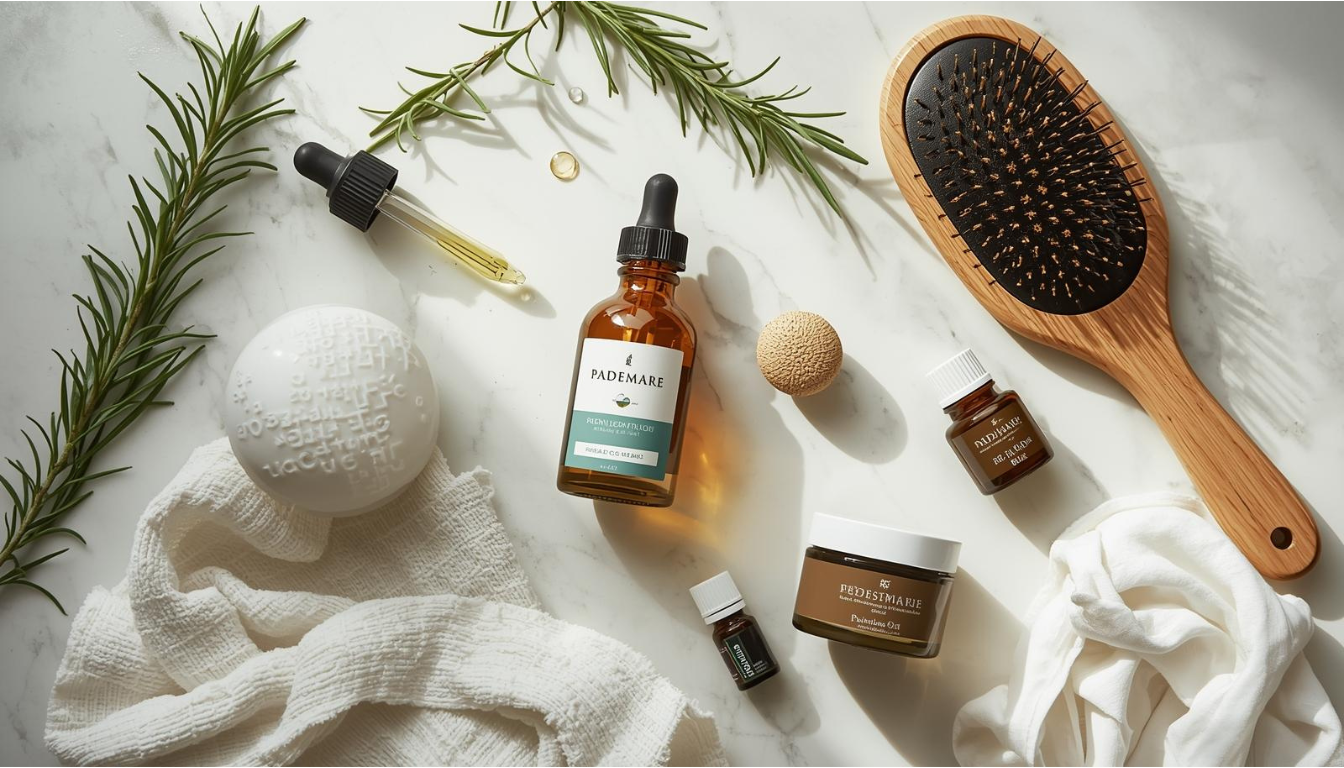
Simple topical applications can create favorable conditions for renewal. Scalp massages with rosemary or peppermint oil may stimulate circulation.
Natural ingredients like aloe vera soothe the skin. Coconut oil provides deep nourishment to follicles. These methods fit easily into daily routines.
Remember that consistency matters more than complexity. Even brief daily attention can yield benefits over time.
Effective Postpartum Hair Loss Treatment Strategies
Taking a proactive stance with evidence-based methods can enhance your comfort and confidence. Professional approaches work alongside your body’s natural recovery process.
These strategies provide a comprehensive framework for managing this temporary phase. They focus on creating optimal conditions for renewal.
Expert Tips and Recommended Practices
Dermatologists emphasize gentle handling of your strands. Avoid tight styles that pull at the roots. Use a wide-tooth comb to detangle gently.
Consult a doctor if shedding continues beyond twelve months. This professional guidance ensures any underlying issues are addressed. Proper care routines support the natural cycle.
Product Selection and Natural Conditioners
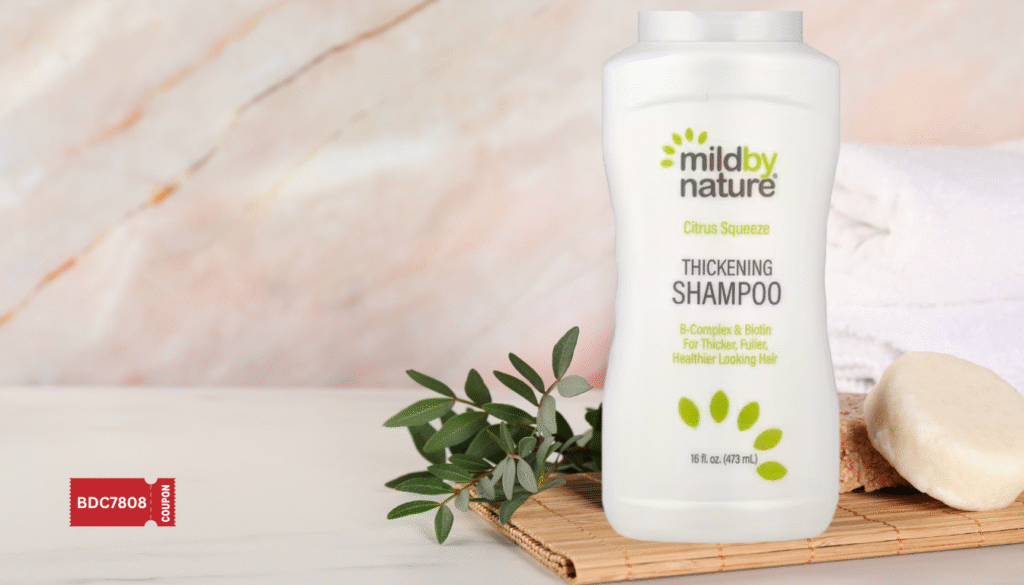
Choose products with nourishing ingredients that support scalp skin health. Look for sulfate-free formulas that cleanse without stripping natural oils.
A good shampoo conditioner combo maintains moisture balance. Natural conditioners with proteins can strengthen existing strands. These products help hair appear fuller during the regrowth phase.
Leave-in treatments protect against breakage without weighing down fine strands. Consistent use as part of your routine yields the best results for hair growth.
Lifestyle and Hair Care Tips for New Mothers
Juggling the needs of a newborn while adjusting to physical changes requires a gentle approach. Simple adjustments to your daily routine can make a significant difference.
These tips are designed to fit seamlessly into your life. They support your well-being during this special time.
Daily Hair Care Habits and Gentle Styling
Your strands are more fragile now. Opt for loose styles like a low ponytail or a simple braid. Avoid tight buns or ponytails that pull at the roots.
Reduce the use of hot tools like blow dryers and straighteners. When you do use heat, apply a heat protectant spray first. Choose soft, fabric-covered accessories instead of tight elastics.
Be mindful of strands that shed. Keep your mane tied back during infant care. Regularly check your little one’s fingers and toes for any stray strands.
Managing Stress and Postpartum Recovery
Your emotional health is deeply connected to physical recovery. High stress levels can prolong the shedding phase.
Prioritize rest whenever you can. Even short naps can help your body heal. Stay hydrated and eat nutritious meals to support your energy levels.
Gentle walks with your baby can be refreshing. This light exercise promotes circulation and a sense of well-being.
Remember, this is a temporary phase. Most women see improvement within a year as their body finds its new balance.
Conclusion
After welcoming your little one, your body undergoes a natural recalibration process that affects various systems. This temporary shift is experienced by most women following birth and typically resolves within a year.
The shedding often begins around three months after delivery when hormone levels change. This signals follicles to enter a resting phase. Understanding this mechanism helps recognize it as part of recovery.
Focus on overall wellness through nutrition and gentle care. If concerns persist beyond expected timelines, consult your doctor. New growth usually appears as your body finds balance.
This journey requires patience and self-compassion while caring for your baby. With time and proper support, most women see their mane return to its pre-pregnancy state.