


Rice Water vs Rosemary Oil: Which is Better for Hair Growth? Complete Comparison (2025)
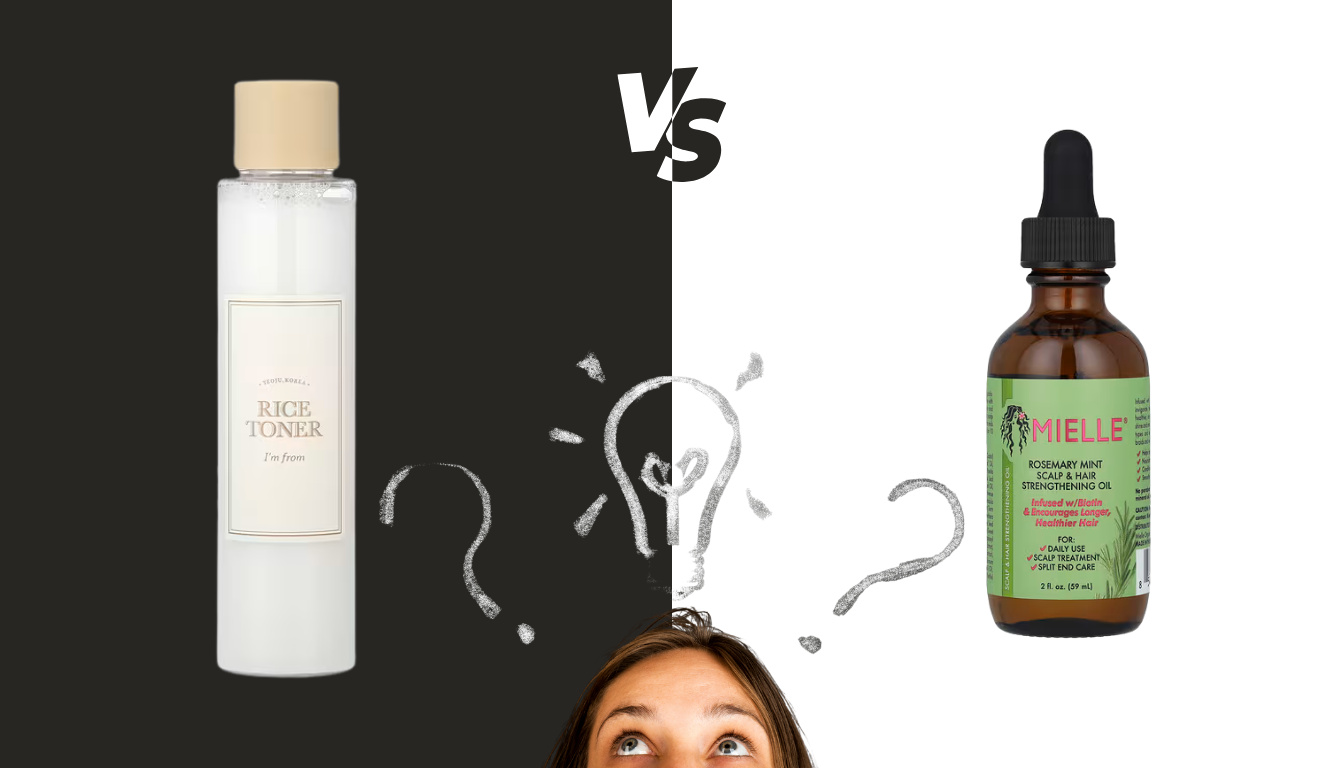
Have you ever stood in front of the mirror, running your fingers through your strands, wishing for that extra boost of vitality? We’ve all been there. The journey to healthier, stronger locks can feel overwhelming with countless options vying for your attention.
Two natural remedies have captured the beauty community’s focus for their impressive results. One treatment draws from ancient traditions, while the other harnesses botanical power. Both promise transformative outcomes for your haircare routine.
You’re likely wondering which solution aligns with your specific needs. Does your regimen require scalp stimulation or strand strengthening? Understanding the core differences helps you make an informed choice.
This 2025 guide breaks down the science, application methods, and real results you can expect. We explore how these natural ingredients work at the follicular level to support your hair’s health.
Your path to luscious locks begins with knowledge. Let’s dive into what makes each treatment unique and discover which approach suits your haircare goals.
Table of Contents
Comparing the Core Properties of Rice Water and Rosemary Oil
Understanding what makes these natural treatments unique helps you choose the right one for your needs. Each has distinct properties that target different aspects of hair health.
Understanding Their Natural Components
The starchy liquid from rinsed grains contains powerful natural compounds like inositol. This carbohydrate helps repair and protect your strands. It also includes amino acids and vitamins that work from within.
On the other hand, the herbal extract contains carnosic acid and rosmarinic acid. These provide antioxidant and anti-inflammatory benefits. They create an optimal environment for healthy follicle function.
Benefits and Potential Side Effects
One treatment focuses on structural improvements to existing strands. It enhances elasticity and smoothens cuticles to reduce breakage. This makes your hair stronger and more resilient.
The other option stimulates blood circulation in your scalp. This delivers more nutrients to follicles, potentially accelerating growth rates. Both approaches offer unique advantages.
Side effects are rare but worth noting. The herbal extract may cause reactions in sensitive individuals if not properly diluted. The grain-based treatment’s high protein content could lead to dryness with overuse.
| Property | Grain-Based Treatment | Herbal Extract |
|---|---|---|
| Primary Action | Strengthens strands | Stimulates scalp |
| Key Benefit | Enhances elasticity | Improves circulation |
| Best For | Damaged, breaking hair | Slow growth, scalp issues |
| Cost Consideration | Very affordable | Moderate investment |
Your specific concerns determine which properties matter most. Consider your primary goals when making your selection.
Exploring the Science Behind “rice water vs rosemary oil” for Hair Growth
Behind the glowing testimonials and traditional uses lies an important question: what does actual research reveal about these treatments? Scientific evidence provides crucial insights into what really works.
Research Insights and Study Findings
The scientific backing for both remedies remains limited. Most claims rely on traditional use rather than rigorous clinical trials. A 2015 study comparing the herbal extract to minoxidil has faced criticism for flawed methodology.
Dermatologists point out that the minoxidil concentration used was too low to be effective. This makes the comparison unreliable. Laboratory studies show potential benefits for follicle health, but human research is scarce.
Expert Opinions and Anecdotal Evidence
Dermatologists warn that products like shampoos stay on your scalp too briefly to penetrate deeply. They may strengthen existing strands but unlikely affect follicle-level growth. Delaying proven treatments can worsen outcomes.
Online reviews show mixed results. Some users report noticeable improvements in thickness and growth rate. Others see minimal changes, highlighting individual variability.
Your best approach combines realistic expectations with professional guidance. Consult a specialist for significant concerns while exploring natural options as complementary care.
Practical Application: How to Use Each Remedy for Optimal Results
Getting the most from these natural hair treatments requires proper application techniques. The way you prepare and apply these solutions can significantly impact their effectiveness for your hair goals.

Step-by-Step Rice Water Rinse Instructions
Creating your own treatment is straightforward. Begin by thoroughly rinsing uncooked grains until the liquid runs clear.
Soak the grains in distilled liquid for about 20 minutes. Knead them gently until the mixture becomes cloudy. Strain the resulting liquid into a clean container.
Let this mixture sit for 12-24 hours before your first use. This simple process enhances the concentration of beneficial compounds.
How to Prepare and Use Rosemary Water as a Rinse
For the herbal rinse, steep dried rosemary in hot distilled liquid. Allow it to cool completely before straining into a spray bottle.
Apply this mixture to your scalp and strands after shampooing. Massage gently for several minutes to stimulate circulation.
Leave the treatment on for 30-60 minutes before rinsing thoroughly. This method helps deliver nutrients directly to your follicles.
| Application Factor | Grain-Based Rinse | Herbal Rinse |
|---|---|---|
| Preparation Time | 12-24 hours | 30 minutes cooling |
| Application Duration | 20-30 minutes | 30-60 minutes |
| Frequency | Start monthly | 2-3 times weekly |
| Storage | 5-7 days refrigerated | 2 weeks refrigerated |
Both methods require patience and consistency. Start with lower frequency to see how your hair responds before increasing application. Proper storage ensures your DIY preparations remain effective.
Your Guide to “rice water vs rosemary oil” in Daily Hair Care
Your daily hair care routine can be transformed with strategic incorporation of natural treatments. Think of your approach to strands as you would skin care—gentle and consistent.

Avoid harsh chemicals that strip natural oils. Protect your locks from excessive heat styling and tight styles that cause tension.
Incorporating These Remedies Into Your Routine
Start with one treatment per week to see how your strands respond. Consistency matters more than frequency when beginning.
Massage your scalp during application to boost circulation. This manual stimulation enhances the treatment’s effectiveness.
Always use a heat protectant before styling. Handle wet strands gently to prevent damage and breakage.
Look for sulfate-free products that maintain moisture balance. These gentle formulas support your natural treatments.
Be patient with results—significant improvements take months. Focus on overall strand health rather than rapid growth.
Conclusion
Making an informed choice between natural hair solutions depends on recognizing their distinct mechanisms. Your specific concerns should guide your selection process for optimal results.
The rice water treatment excels at strengthening existing strands and preventing breakage. Meanwhile, rosemary oil focuses on scalp health and circulation to support new growth. Many users find combining both approaches provides comprehensive benefits.
Patience and consistency are essential for seeing meaningful improvements. These natural remedies work gradually as part of your regular hair care routine.
If you experience significant hair loss, consult a healthcare professional for proper diagnosis. Underlying conditions may require medical treatment beyond what natural solutions can provide.