
Scalp Care Routine: 14 Steps to Healthy Hair Growth + Best Treatments & Products (2025)
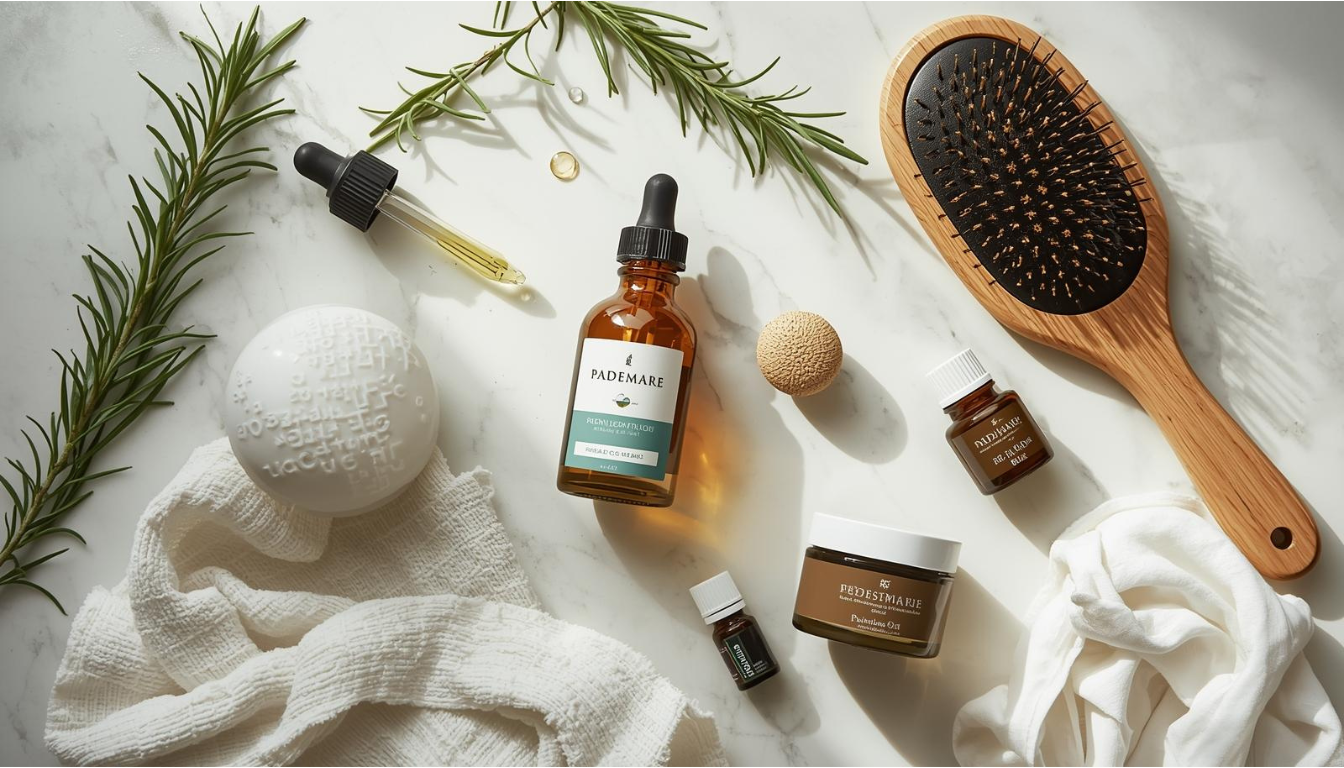
Think of your skin. Now, imagine the skin on your head. It’s actually thicker and has more oil glands. It’s a complex environment that supports your hair.
Experts like dermatologist Michelle Henry explain that a healthy scalp should be free from redness or irritation. It’s the foundation for strong, beautiful strands.
This guide cuts through the noise. You will find a clear path forward with a step-by-step plan. We focus on creating the best environment for your hair to thrive.
Our 2025 approach is built on expert advice. It emphasizes balance and support for your skin’s natural functions. You’ll discover treatments and products that truly work.
Table of Contents
Understanding Your Scalp: Anatomy and Function
Beneath your hair lies a sophisticated biological system designed for both protection and growth. This area has five distinct tissue layers, unlike the three found on other parts of your body. The extra density provides superior shielding for your skull.
The Role of Hair Follicles and Sebum
Each strand grows from an individual follicle embedded in your skin. These structures house sebaceous glands that produce natural oils. This sebum conditions both your hair and the surrounding tissue.
Oil production varies significantly between people. Some individuals generate much more sebum than others. This natural variation determines whether you have dry, balanced, or oily skin types.
A rich network of blood vessels supplies essential nutrients to each follicle. This support system fuels healthy growth from the root level. Proper circulation is crucial for maintaining vibrant strands.
Protective Layers and Scalp Skin Structure
The outer layer of skin cells constantly sheds and renews itself. This natural turnover process helps maintain optimal health. When balanced, it keeps your environment clean and functional.
Sensory nerves wrap around the base of each hair bulb. This explains why pulling causes discomfort – your body’s warning system. The structure serves as a physical barrier against trauma and infection.
Signs of a Healthy Scalp
Knowing the markers of a well-balanced scalp helps you track your progress. It tells you if your efforts are working.
A healthy scalp feels comfortable and looks clear. There is no redness, irritation, or scaling. It should not feel tender or have an unusual odor.
Dermatologist Michelle Henry confirms these are key indicators. Your skin should be free from buildup. This means your natural processes are in harmony.
What to Look For: Redness, Irritation, and Buildup
Pay attention to any discomfort. Persistent itching or flaking signals a problem. These issues can stem from various conditions.
For example, a dry skin type may show small flakes and tightness. This differs from other concerns like dandruff. Recognizing these signs early is crucial.
Many people ignore these subtle changes. But your hair health depends on a balanced foundation.
When to Consult a Dermatologist
Sometimes, self-care is not enough. If problems persist or worsen, seek professional help. A board-certified dermatologist can provide a proper diagnosis.
The root cause could be a simple reaction. Or it might be a complex autoimmune condition. A trichologist can also offer specialized insights.
Do not wait for issues to become severe. Getting expert advice ensures you address the real problem.
| Healthy Sign | What It Means | Potential Concern |
|---|---|---|
| No Redness | Minimal inflammation | Irritation or reaction |
| Clear Skin | Normal cell turnover | Flaking or scaling |
| Comfortable Feel | Balanced oil production | Tenderness or itching |
| No Odor | Healthy microbiome | Buildup or infection |
Common Causes of Scalp Issues Today
Why does your scalp sometimes feel tight, itchy, or uncomfortable? The answer often lies in your daily environment and habits. Many factors can disrupt your skin’s natural balance.
Environmental and Lifestyle Factors
Your surroundings play a huge role. Indoor heating and cold weather can strip away natural oils. This leads to significant dryness and irritation.
Your personal habits matter too. Overwashing removes protective sebum. Frequent use of hot styling tools can damage the skin’s surface.
Heavy styling products build up over time. They mix with oil and dead skin cells. This combination can clog follicles and cause problems.
| Cause | Primary Effect | Resulting Issue |
|---|---|---|
| Dry Air & Climate | Moisture Loss | Tightness, Flaking |
| Product Buildup | Clogged Follicles | Itching, Slower Growth |
| Nutritional Deficits | Weakened Support | Dull Hair, Dryness |
| Skin Conditions | Inflammation | Redness, Scaling |
Internal factors are also key. Dehydration and poor nutrition affect your skin from within. Medical conditions like eczema or psoriasis require specific attention.
Allergic reactions to product ingredients can trigger inflammation. Identifying these triggers is the first step toward finding a solution for your hair health.
Your Scalp Care Routine: Essential 14-Step Plan
A great hair day truly begins before you even step into the shower. This comprehensive plan provides a structured path to optimal health. You can customize each step based on your specific needs.
Pre-Shampoo Preparation and Brushing Techniques
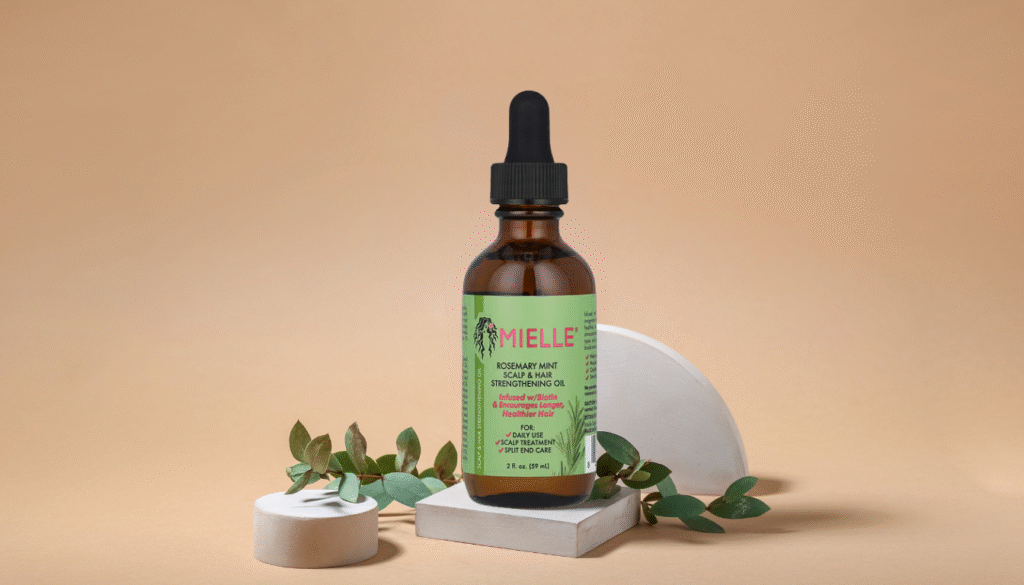
Trichologist David Adams recommends brushing your hair before washing. This simple action loosens debris and product buildup. It makes the cleansing process much more effective.
Use the right brush for your texture. Gentle strokes from ends to roots stimulate without damage. This also helps distribute your skin’s natural oils.
Shampooing and Conditioning for Every Scalp Type
The fundamental principle is consistent removal of dirt and oil, followed by hydration. Your approach should reflect your skin’s condition. Weekly cleansing is a good starting point for most people.
Choose a sulfate-free shampoo for regular use. It cleanses gently without stripping essential moisture. For a deeper clean, use a clarifying formula every four to five washes.
Conditioner is crucial for your strands’ ends. If your skin tends to be dry, a co-wash can provide extra hydration. Always tailor your product choice to your current needs.
| Scalp Type | Recommended Shampoo | Conditioning Focus |
|---|---|---|
| Oily | Balancing, Sulfate-Free | Hair lengths only |
| Dry | Hydrating, Co-Wash Option | Lightweight, all over |
| Normal | Gentle, Sulfate-Free | Mid-lengths to ends |
Step-by-Step Guide for a Comprehensive Scalp Routine
Water quality and temperature impact your cleansing results. Proper technique removes debris without causing irritation. Follow these methods for optimal cleaning and exfoliation.
Detailed Cleaning and Exfoliation Methods
Start with a quarter-sized amount of shampoo. Apply directly to your roots using gentle circular motions. Massage for sixty seconds before rinsing thoroughly.
Use lukewarm water instead of hot. High temperatures strip natural oils from your hair. Cooler temperatures help maintain your skin’s moisture balance.
Avoid leaving your hair wet for extended periods. Damp conditions encourage bacterial growth. Dry your roots completely within thirty minutes after washing.
| Exfoliation Type | Best For | Frequency | Application Method |
|---|---|---|---|
| Sea Salt Scrubs | Oily Scalp | Weekly | Circular massage on wet skin |
| Sugar Scrubs | Normal to Dry | Bi-weekly | Gentle pressure on damp skin |
| Chemical Exfoliants | All Types | Monthly | Even distribution after cleansing |
Consider a water filter if you have hard water. Minerals can reduce shampoo effectiveness. This prevents product buildup from forming over time.
Exfoliation removes buildup effectively when done correctly. The right way ensures clean follicles without irritation. Choose your product based on your specific needs.
Best Treatments and Ingredients for Scalp Health
Choosing the right products makes all the difference. The key is understanding what goes into them. This knowledge helps you build an effective treatment plan.
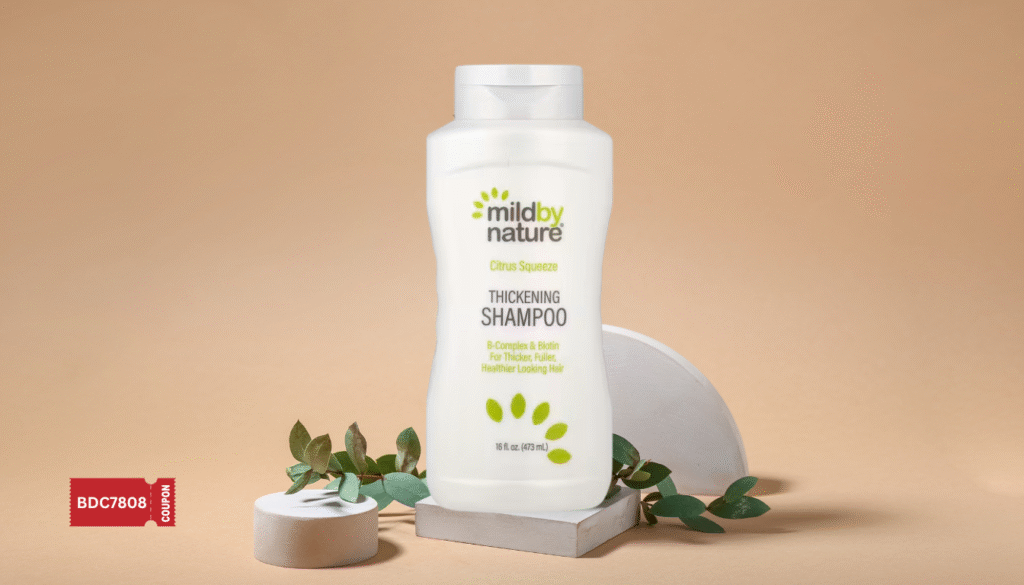
Dermatologist Janiene Luke suggests seeking humectants. These ingredients attract and hold water. Look for glycerin, niacinamide, hyaluronic acid, and panthenol.
They help your skin lock in moisture. This prevents dryness and flaking. For example, vitamin B3 balances sebum production.
Beneficial oils are also powerful. Coconut oil nourishes and hydrates. Jojoba oil is rich in vitamin E for protection.
Tea tree oil offers antimicrobial benefits. These natural ingredients support a healthy environment for hair growth.
Moisturizing Ingredients and Hydration Tactics
Hydration is crucial for comfort. Products like Dove Scalp + Hair Hydrating Shampoo are excellent. They contain vitamin B3 and E.
Serums can provide lasting relief. JooY Soothing Scalp Serum uses aloe vera and algae. Fermented blueberry helps with inflammation.
These ingredients work together. They soothe irritation and add moisture throughout the day.
Avoiding Harsh Chemicals and Drying Agents
Some components can cause problems. Trichologist Shab Caspara warns against sodium chloride. Synthetic fragrances can dry out your skin.
Be cautious with short-chain alcohols. Isopropyl and ethanol are common in dry shampoos. They evaporate quickly and pull moisture away.
For specific treatments, ketoconazole fights dandruff. Salicylic acid helps with flaking. Zinc pyrithione has antimicrobial properties.
Reading labels is your best defense. Choose products with beneficial ingredients at the top of the list.
Tailored Tips for Dry and Oily Scalps
Different hair types demand customized approaches to maintain optimal health at the roots. What works for one person may not suit another’s needs.
Understanding your specific condition helps you choose the right products and methods.
Effective Solutions for Dry Scalp Conditions
A dry scalp lacks sufficient natural moisture and oils. This leads to irritation and visible flaking.
Trichologist David Adams recommends gentle, moisturizing shampoos followed by hydrating conditioner. Reduce washing frequency to allow natural oils to accumulate.
Use warm water instead of hot to prevent further dryness. Consider scalp toners with soothing ingredients like aloe vera.
Managing Excess Oil and Clarifying Naturally
Oily scalps require different strategies. Fine, straight hair shows oil more quickly than curly textures.
Shampoo more frequently but avoid daily clarifying shampoos. Try alternating between gentle and exfoliating formulas.
Look for products containing tea tree oil or salicylic acid. This way controls excess oil without over-drying.
| Approach | Dry Scalp | Oily Scalp |
|---|---|---|
| Shampoo Type | Moisturizing | Balancing/Exfoliating |
| Washing Frequency | Less Often | More Frequent |
| Water Temperature | Warm | Lukewarm |
| Additional Products | Scalp Toners | Clarifying Treatments |
Your needs may change with seasons and lifestyle factors. Stay observant and adjust your approach accordingly.
Trending Scalp Products and Expert Recommendations
Finding the right products can transform your approach to maintaining healthy roots. Beauty experts have tested countless items to bring you the best options for 2025.
Editors like Michelle Lee favor Briogeo Scalp Revival Charcoal + Coconut Oil Micro-Exfoliating Shampoo. This formula uses natural ingredients to remove buildup gently. You can shop this product at Dermstore for $34.
Another excellent option is the dpHue Apple Cider Vinegar Hair Rinse. It offers clarifying benefits without a strong odor. Find it at Sephora for $18.
Host Favorites and Must-Try Treatments
Jenny Bailly recommends TPH by Taraji Master Cleanse Treatment Wash. Its unique applicator targets your skin directly. Tea tree and eucalyptus oils clear away gunk effectively.
This treatment costs $15 and is gentle enough for regular use. It avoids the grit of traditional scrubs that are hard to rinse.
Product Build-Up and Ingredient Spotlights
Key ingredients make these products stand out. Look for activated charcoal, coconut oil, and vitamin-rich formulas. They work together to maintain balance.
For example, Dove Scalp + Hair Hydrating Shampoo includes vitamin B3 and E. It’s available at Amazon or Walmart for $10.
JooY Soothing Serum uses algae and aloe vera. This blend soothes irritation. You can shop it for $48 on their website.
Tools like the Briogeo Scalp Massager aid product application. It stimulates blood flow for healthier hair. This tool is $18 on Amazon.
Consider your skin type when selecting items. Each product addresses specific concerns like dryness or excess oil. Reading labels ensures you pick the right option.
You can shop with confidence knowing these picks are editor-approved. They help manage buildup while nourishing your strands. Investing in quality products supports long-term health.
Expert Advice from Trichologists and Dermatologists
Beyond everyday maintenance, dermatologists and trichologists address underlying medical conditions affecting hair growth. These specialists use advanced tools like microscopic analysis to see issues invisible to the naked eye.
Trichologist-Backed Insights on Routine Adjustments
Trichologist David Adams explains that microscopic analysis reveals subtle changes in your skin’s health. This helps professionals recommend specific treatments and care adjustments.
For example, excessive hair shedding often signals thyroid issues or vitamin deficiencies. People experiencing this should consult a doctor for proper diagnosis.
Specialized Tips for Scalp Conditions
Traction alopecia occurs from tight hairstyles like braids or weaves. Dermatologist Michelle Henry emphasizes that styles should never cause pain or require pain medication.
This damage can lead to central centrifugal cicatricial alopecia (CCCA), which causes permanent hair loss. It’s most common among Black women.
For psoriasis, shampoos with salicylic acid and tar help reduce inflammation. Eczema care may include topical corticosteroids or specialized lotions.
These professional approaches are an essential part of comprehensive hair care. They offer effective ways to manage various scalps and support scalp care goals.
Conclusion
Your journey to healthy hair starts with understanding that your skin is your body’s largest organ, and your head is part of it. Experts agree that the best approach is often a gentle one. The goal is to support your skin’s natural ability to regulate itself.
This guide’s steps provide a strong foundation. They help remove obstacles like product buildup while adding essential moisture. Over time, these actions become a simple part of your week.
Remember to tailor your choices to your specific needs. What works for one person may not suit another. Listen to your body and adjust as your life changes.
If problems like persistent dryness or discomfort continue, consult a dermatologist or trichologist. They can offer advanced solutions for complex issues.
Looking ahead, research into creating new follicles promises exciting future treatments for hair growth. Your consistent effort today builds the foundation for vibrant, strong strands tomorrow.