
Shea Butter for Skin: 15 Amazing Benefits & 7 Proven Uses for Glowing, Radiant Skin (2025)
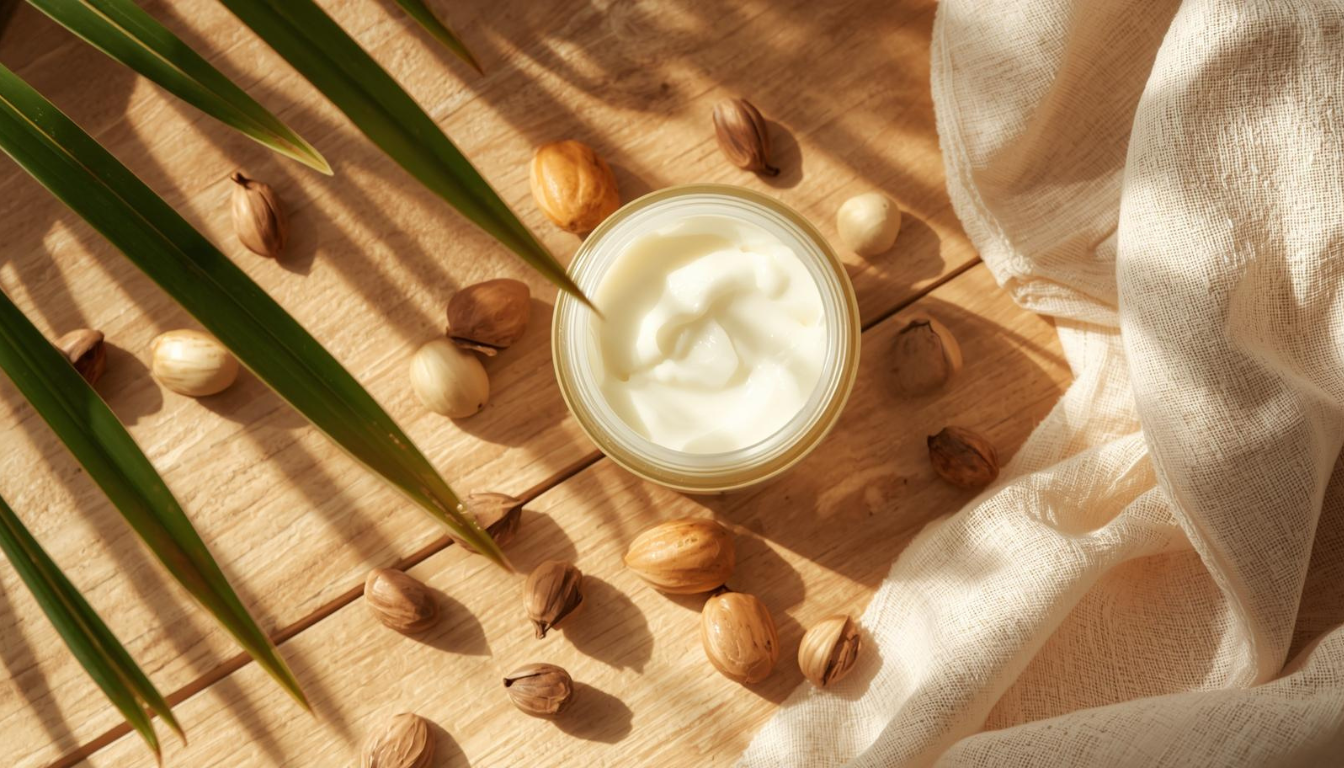
Did you know that over 80% of visible aging signs are linked to dryness and environmental damage? Your largest organ needs powerful, natural protection to stay healthy and radiant.
This guide unlocks the secrets of a legendary natural ingredient. For centuries, West African communities have harnessed its power. Modern science now confirms its remarkable properties.
You will discover 15 scientifically-backed benefits that make this substance a true powerhouse. It offers deep moisturization and powerful anti-aging effects. We will also explore 7 proven uses that go far beyond simple hydration.
Whether you face dryness, eczema, or fine lines, this guide provides actionable solutions. You will learn to select high-quality products and master proper application techniques. Get ready to transform your daily routine.
Table of Contents
Understanding Shea Butter for Skin: What It Is and Where It Comes From
To truly appreciate its value, you must first understand the origins of this natural wonder. It all starts with the nuts of the Vitellaria paradoxa tree, native to West Africa.
This tree, often called the “Tree of Life,” has supported communities for centuries. The traditional process of making the butter is an art. It involves harvesting, roasting, and crushing the nuts.
The resulting paste is kneaded to release a rich, creamy fat. This fat is what you know as the final product.
The Origins and History of Shea Butter
For generations, African communities have harnessed the power of this remarkable resource. The tree grows wild across savannas in countries like Ghana and Nigeria.
Its history is deeply woven into local culture and wellness practices. The knowledge of its benefits has been passed down through families.
Unrefined vs Refined: Which Is Best?
A key decision you’ll face is choosing between unrefined and refined versions. The processing method makes a significant difference in quality.
Unrefined shea butter is raw. It retains its natural color, often a yellow or beige hue, and has a distinct, nutty aroma. Most importantly, it keeps all its beneficial compounds intact.
Refined butter undergoes processing to remove color and scent. This creates a white, odorless product. However, this refinement can strip away valuable nutrients.
For the most therapeutic effects in your skin care routine, unrefined shea butter is superior. It delivers the full spectrum of vitamins and fatty acids your skin needs.
| Feature | Unrefined (Raw) | Refined (Processed) |
|---|---|---|
| Color & Scent | Yellow/beige; nutty aroma | White; odorless |
| Nutrient Content | High in vitamins A, E, and antioxidants | Reduced nutrient levels |
| Processing | Minimal, traditional methods | Chemical or high-heat processing |
| Best For | Maximum therapeutic benefits | Scent-neutral products |
Understanding this difference empowers you to select the best products for your goals. Always look for raw, unrefined options to ensure you get the full benefits.
Why You Should Consider Shea Butter for Skin Care
What sets this natural substance apart is its unique ability to address multiple skin concerns simultaneously. Unlike single-purpose products, it delivers comprehensive care through its rich composition.
Moisturizing and Healing Properties
The exceptional hydrating power comes from its unique fatty acid profile. Linoleic, oleic, stearic, and palmitic acids work together to lubricate your epidermis.
These components act as a “refatting” agent that rapidly absorbs. They restore essential lipids while creating a protective barrier against moisture loss.
The balanced ratio of linoleic to oleic acid ensures deep hydration without greasy residue. Your complexion receives nourishment that feels lightweight yet effective.
Anti-inflammatory and Antioxidant Effects
Plant esters in this natural butter provide powerful anti-inflammatory benefits. They help slow the production of inflammatory cells that cause irritation.
Significant levels of vitamins A and E deliver strong antioxidant activity. These nutrients protect your cells from free radical damage that leads to premature aging.
Vitamin A increases cell turnover for smoother texture. Vitamin E, particularly alpha-tocopherol, reinforces your natural defenses while enhancing moisture retention.
How to Use Shea Butter for Skin Effectively
Unlocking the full potential of this natural moisturizer depends on mastering a few simple techniques. Proper application ensures deep absorption and maximum benefits for your complexion.
Starting with a small amount is crucial. A pea-sized portion is perfect for your face, while a teaspoon works well for the body.
Step-by-Step Application Techniques
First, scoop the product with clean fingers or a spatula. This prevents contamination and preserves its quality.
Warm it between your palms until it melts into a smooth oil. This simple step makes it easier to spread and helps your skin absorb it quickly.
Gently massage it into your face using upward, circular motions. For your body, apply to damp skin after a shower to lock in moisture effectively.
For best results, use this rich cream at night. It can create a slippery base that might interfere with makeup during the day.
| Area | Recommended Amount | Best Time to Apply | Application Technique |
|---|---|---|---|
| Face | Pea-sized amount | Nighttime routine | Gentle, upward circular motions |
| Body | Teaspoon amount | After showering on damp skin | Broad strokes to cover larger areas |
Incorporating Shea Butter into Your DIY Skincare Routine
This versatile ingredient is a fantastic base for homemade products. You can create custom creams, balms, and salves.
Melt a small amount gently and mix it with other nourishing elements. Consider adding essential oils, vitamin E, or aloe vera for enhanced effects.
Always start with a conservative quantity when formulating. You can adjust the recipe based on your desired consistency.
Proper storage is key to maintaining its potency. Keep it in a cool, dark place. If your room is warm, store it in the refrigerator to extend its two-year shelf life.
Exploring the Science Behind Shea Butter’s Benefits
Modern research reveals that the true power of this African treasure comes from its unique combination of bioactive compounds. The effectiveness is driven by a precise blend of nourishing elements that work in harmony.
Role of Fatty Acids and Vitamins
This natural product contains a specific profile of fatty acids like linoleic and oleic. These components balance your skin’s natural oil production for optimal hydration.
Triglycerides deliver deep nourishment, while cetyl esters create a protective seal. This seal locks in moisture, preventing dryness.
The presence of vitamins A, E, and F provides a powerful antioxidant boost. These vitamins promote healthy circulation and encourage new cell growth.
Understanding Collagen and Skin Cell Renewal
A key discovery is that this ingredient contains triterpenes. These compounds are thought to deactivate enzymes that break down collagen fibers.
Vitamin A plays a dual role. It increases cell turnover for a smoother surface and directly stimulates collagen production.
The primary form of vitamin E present is alpha-tocopherol. It offers superior protection against environmental damage, supporting your skin’s natural framework.
Shea Butter for Skin: Unveiling 15 Powerful Benefits
The true versatility of this natural emollient becomes clear when you explore its extensive list of therapeutic advantages. Its composition delivers results that address common concerns effectively.
This ingredient is generally safe for most people. It has a low comedogenic rating, meaning it is not likely to clog pores. However, if you have acne-prone skin, you should proceed with caution.
Hydration, Eczema Relief, and More
One of the primary benefits is deep moisturization. It works by restoring your skin’s essential lipids. This action creates a protective barrier that locks in moisture.
Unlike some heavy creams, it absorbs well without leaving a greasy film. This is due to its balanced fatty acid profile. Your complexion feels nourished, not oily.
The anti-inflammatory and antioxidant properties are significant. They help minimize irritation and protect against environmental damage. This can be particularly helpful for managing conditions like eczema.
| Benefit | Primary Action | Key Outcome |
|---|---|---|
| Deep Hydration | Restores lipid barrier | Prevents moisture loss |
| Eczema Relief | Reduces inflammation | Soothes dry, itchy skin |
| Antioxidant Shield | Fights free radicals | Helps minimize fine lines |
| Skin Safety | Non-pore clogging | Suitable for most skin types |
Research suggests it may work as well as some medicated creams for eczema. The fatty acids provide crucial support to a compromised skin barrier. This leads to a noticeable reduction in symptoms.
7 Proven Uses of Shea Butter You Need to Try
Beyond its famous role in moisturizing, this natural ingredient offers practical solutions for common beauty challenges. Its versatility extends far beyond a simple lotion.
You can harness its power for your hair and to improve the appearance of marks and lines. Let’s explore these effective applications.
Nourishing Hair and Scalp Treatment
This rich emollient works wonders on your hair. It provides intense moisture to both your scalp and strands.
Apply it directly to a damp scalp. Massage it in to soothe dryness and stimulate growth.
The approach varies by your hair type. Curly or porous textures benefit from a deep conditioning treatment.
Straight or fine hair should focus application on the ends. This prevents greasy roots.
It also makes an excellent leave-in serum. It tames frizz and locks in hydration beautifully.
| Hair Type | Recommended Use | Key Benefit |
|---|---|---|
| Curly/Coily | Deep conditioner; leave-in serum | Defines curls, reduces frizz |
| Straight/Fine | Focus on ends only | Prevents breakage, avoids weight |
| All Types (Scalp) | Massage into damp scalp | Moisturizes, may reduce flaking |
Reducing Stretch Marks, Scars, and Fine Lines
Regular use can help improve the look of stretch marks. Massage it into affected areas twice daily.
Its nutrients support healthy cell regeneration. This may gradually make marks less visible.
For scars, consistent application on healed tissue is key. The vitamins and fatty acids aid the skin’s healing process.
To target fine lines, incorporate it into your nightly routine. Apply it to areas like crow’s feet and forehead.
The deep moisturization and collagen-supporting properties work together. They help plump the skin for a smoother texture.
Tips for Safely Incorporating Shea Butter into Your Daily Routine
Ensuring your skin care routine remains safe and effective requires following some essential guidelines when introducing new natural products. Proper precautions help you enjoy all the benefits while avoiding potential issues.
Conducting a Patch Test Before Full Use
Always perform a simple patch test before applying any new product extensively. Apply a small amount to a discreet area like your inner forearm.
Wait 24 hours to observe for any redness, itching, or swelling. If reactions occur, discontinue use immediately and consult a healthcare provider.
Proper Storage and Handling Guidelines
Store your product in a cool, dry place away from direct sunlight. When temperatures exceed 75°F, refrigeration helps maintain quality.
Always use clean hands or a spoon to scoop the butter. This prevents contamination and preserves freshness.
With proper care, your product maintains potency for about two years. Discard if you notice unusual odors or color changes.
Monitor your skin’s response during regular use. Discontinue if irritation develops. Those with latex allergies should exercise caution with raw varieties.
Potential Side Effects and Considerations
While this natural ingredient offers remarkable benefits, it’s important to recognize situations where it might not be the ideal choice for your skincare routine. Understanding these limitations helps you make informed decisions about your personal care.
Understanding When Shea Butter May Not Be Ideal
If you have acne-prone or very oily skin, this rich emollient may clog pores and lead to breakouts. The heavy consistency can feel uncomfortable in hot, humid climates.
Those with seborrheic dermatitis should be cautious. Yeast organisms associated with this condition can thrive in the fatty environment.
While rare, allergic reactions may occur. Discontinue use if you experience irritation, redness, or itching. Seek medical attention for severe symptoms.
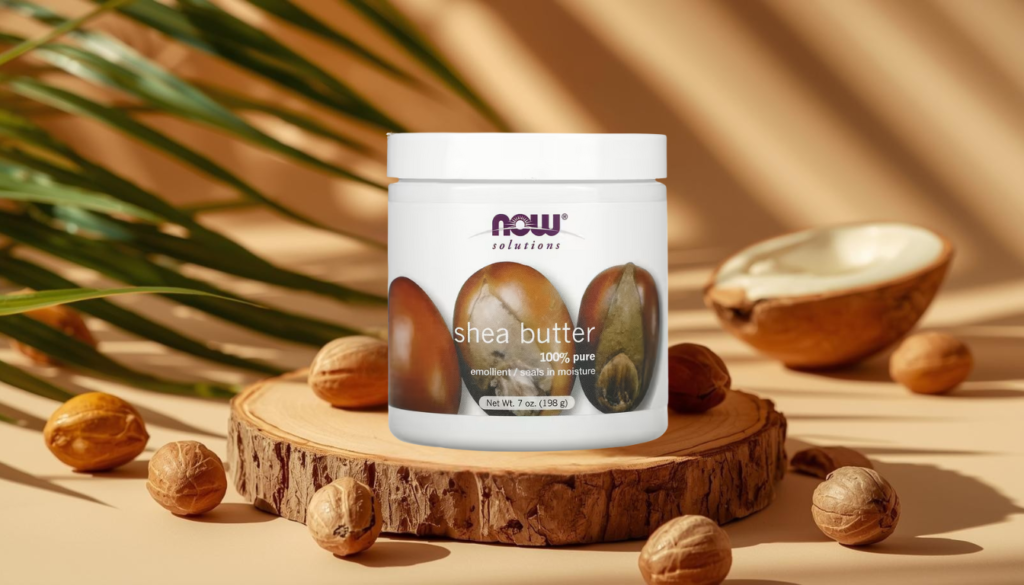
Alternatives and Blended Formulations
For oily skin, consider lighter options like hyaluronic acid-based moisturizers. These provide hydration without the heavy feel.
You may also blend this ingredient with complementary elements. Recent research suggests combining it with avocado or grape seed oil enhances effectiveness for specific uses.
Alternative butters like cocoa or mango offer similar properties with different fatty acid profiles. Always check product labels for additional ingredients that could trigger sensitivities.
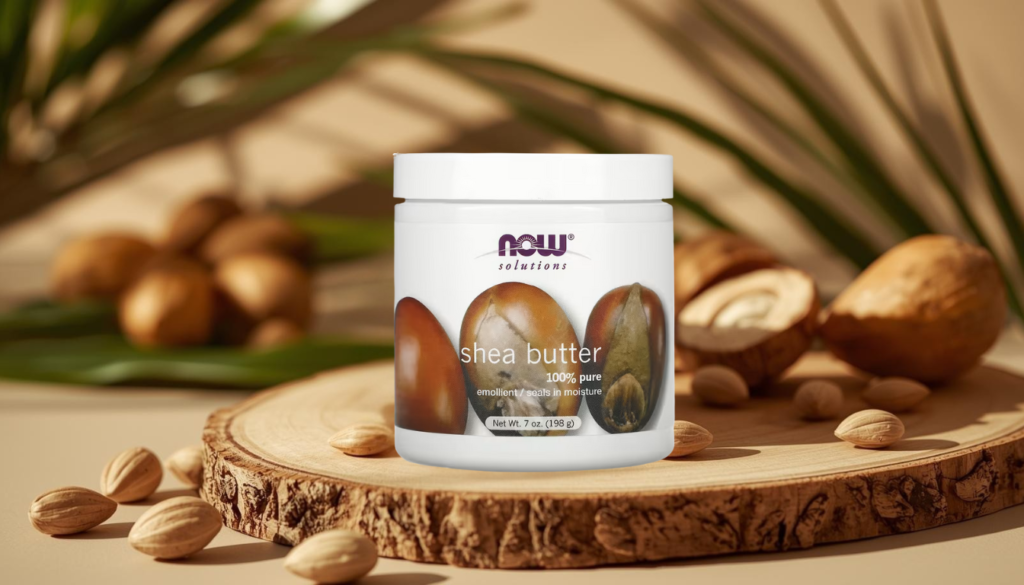
How to Shop for the Best Raw, Unrefined Shea Butter
Finding the right product requires understanding quality indicators. Your choice directly impacts the benefits you receive.
Always prioritize raw, unrefined options for maximum potency. Processing removes vital nutrients like cinnamic acid and vitamins.
Identifying High-Quality, Fair Trade Products
Look for a nutty or smoky aroma. This scent comes from traditional roasting and indicates minimal processing.
Color can vary from ivory to gray, sometimes with a green tint. These natural variations are signs of authenticity.
Seek out fair trade labels. This ensures West African communities receive fair compensation for their work.
Decoding Product Labels and Grades
Grade A represents the purest, most unrefined form. Lower grades mean more processing and fewer benefits.
Check the ingredient list. Pure shea butter should list only Butyrospermum Parkii. Avoid products with many fillers.
Look for transparency about the country of origin, like Ghana or Nigeria. This helps you make an informed purchase for your skin and hair care routine.
Conclusion
You now possess a complete roadmap for harnessing one of nature’s most potent ingredients. This guide has shown how it tackles multiple concerns, from deep moisture to supporting healthy hair.
The science is clear. This natural shea butter contains vital compounds that protect and rejuvenate your skin. Choosing a high-quality, unrefined product ensures you get these full benefits for your body and care routine.
Remember, consistency is key for the best results. With your new knowledge, you can confidently integrate this powerful element into your daily skin care.